
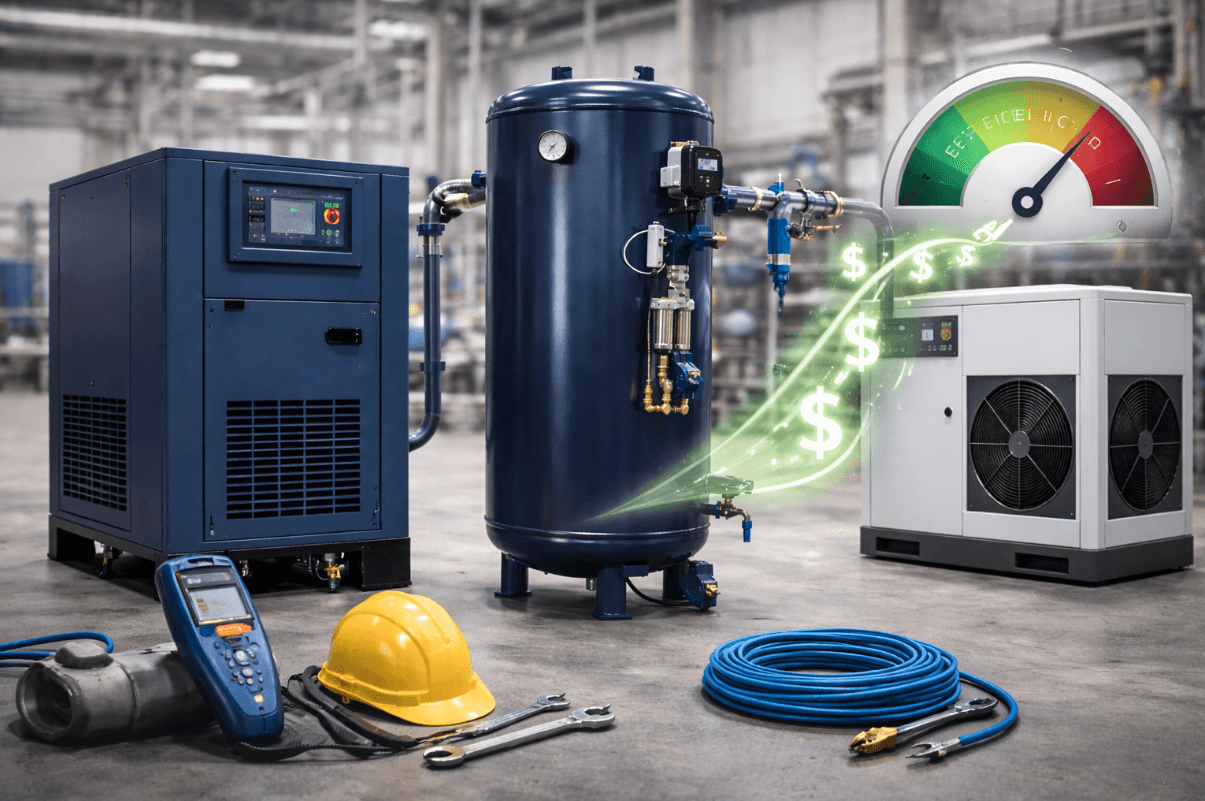
Lowering Energy Costs in Compressed Air Systems
Learn how to Reduce Energy Costs in Compressed Air Systems through leak detection, pressure optimization, smart monitoring, and efficiency upgrades for industrial facilities.
Compressed air is one of the most expensive utilities in industrial facilities. In many plants, it represents 10–30% of total electricity consumption. Without proper optimization, energy waste increases operational expenses and reduces profitability.
This guide explains practical and engineering-based strategies to Reduce Energy Costs in Compressed Air Systems without compromising performance.
1. Fix Air Leaks Immediately
Air leaks are the most common and costly inefficiency.
Typical leakage sources:
Pipe joints
Quick couplings
Worn seals
Old hoses
Faulty valves
Even small leaks can waste thousands of dollars annually.
Best practice:
Conduct ultrasonic leak detection
Implement a scheduled leak audit program
Repair leaks immediately
Leak management is the fastest way to Reduce Energy Costs in Compressed Air Systems.
Industrial Compressed Air Systems
2. Lower Operating Pressure
Every 1 bar (14.5 PSI) increase in pressure can raise energy consumption by approximately 7%.
Steps to optimize pressure:
Set system pressure to the minimum required
Install pressure regulators at point-of-use
Reduce artificial demand
Avoid unnecessary over-pressurization
Operating at lower pressure significantly helps Reduce Energy Costs in Compressed Air Systems.
3. Use Properly Sized Air Receivers
Undersized air receivers cause frequent compressor cycling and instability.
Correct storage volume:
Stabilizes pressure
Reduces load/unload cycles
Improves system efficiency
Extends compressor lifespan
Proper storage sizing is a key method to Reduce Energy Costs in Compressed Air Systems.
4. Upgrade to Variable Speed Compressors
Fixed-speed compressors operate at full capacity even when demand drops.
Variable Speed Drive (VSD) compressors:
Adjust output to match demand
Reduce unloaded running
Lower power consumption
Improve part-load efficiency
In facilities with fluctuating demand, VSD technology can significantly Reduce Energy Costs in Compressed Air Systems.
5. Optimize Piping Design
Poor piping layout increases pressure drop and energy waste.
Common issues:
Undersized pipes
Excessive bends
Long distribution runs
Corroded internal surfaces
Best practices:
Use looped piping systems
Select proper pipe diameter
Minimize elbows and restrictions
Choose smooth internal materials
Reducing pressure drop directly helps Reduce Energy Costs in Compressed Air Systems.
6. Eliminate Inappropriate Uses
Compressed air is sometimes misused for:
Cleaning floors
Cooling personnel
Open blowing
These practices waste energy.
Replace with:
Electric blowers
Mechanical sweepers
Efficient air nozzles
Controlling misuse is essential to Reduce Energy Costs in Compressed Air Systems.
7. Improve Air Treatment Efficiency
Air dryers and filters can increase pressure drop if not maintained.
Recommendations:
Replace clogged filters
Maintain dryer performance
Install differential pressure indicators
Ensure automatic drains function properly
Poor air treatment increases compressor workload and energy use.
8. Recover Waste Heat
Approximately 80–90% of compressor energy converts into heat.
Heat recovery systems can reuse waste heat for:
Space heating
Water heating
Industrial processes
Heat recovery reduces overall energy expenses while improving sustainability.
9. Implement Smart Monitoring
Modern systems use:
Energy meters
Flow sensors
Pressure sensors
Remote monitoring platforms
Data-driven optimization helps:
Detect inefficiencies early
Identify peak demand patterns
Adjust system settings
Prevent unexpected losses
Digital monitoring is one of the most advanced ways to Reduce Energy Costs in Compressed Air Systems.
10. Conduct Regular Maintenance
Neglected maintenance increases energy waste.
Routine tasks include:
Checking belt tension
Cleaning coolers
Inspecting intake filters
Testing safety valves
Monitoring compressor temperature
Well-maintained systems operate more efficiently.
11. Perform a System Audit
A professional compressed air audit can identify:
Energy waste points
Oversized equipment
Pressure inconsistencies
Leakage percentages
Optimization opportunities
Audits provide measurable action plans to Reduce Energy Costs in Compressed Air Systems.
12. Right-Size the Compressor
Oversized compressors:
Cycle excessively
Operate inefficiently
Waste energy at partial load
Correctly sized compressors match real demand rather than theoretical maximums.
13. Minimize Artificial Demand
Artificial demand occurs when pressure is set higher than necessary.
Reducing system pressure:
Decreases leakage rate
Lowers overall airflow consumption
Improves system stability
Lower artificial demand directly helps Reduce Energy Costs in Compressed Air Systems.
Frequently Asked Questions
What is the biggest cause of energy waste?
Air leaks and excessive pressure settings are the most common causes.
How often should leak detection be done?
At least twice per year in high-demand facilities.
Are VSD compressors always necessary?
Not always. They are most effective in systems with fluctuating air demand.
Does lowering pressure affect productivity?
No, as long as pressure remains within equipment requirements.
Conclusion
To Reduce Energy Costs in Compressed Air Systems, facilities must combine leak control, pressure optimization, efficient equipment selection, and smart monitoring. Energy savings are achievable without sacrificing system reliability.
A well-optimized compressed air system reduces operational expenses, extends equipment lifespan, and improves overall plant performance.
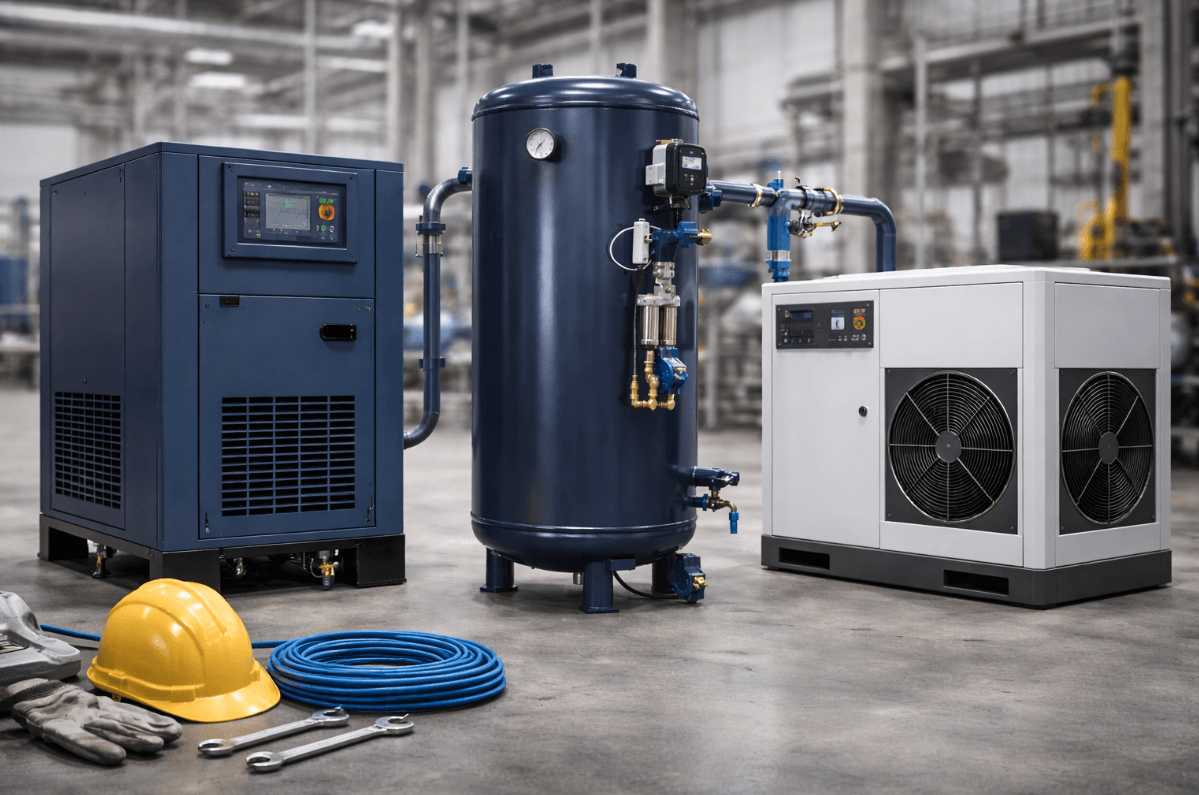
Complete Guide to Industrial Compressed Air Systems
Explore the Complete Guide to Industrial Compressed Air Systems, covering components, design, efficiency strategies, maintenance practices, and cost optimization for industrial operations.
Industrial Compressed Air Systems are often called the “fourth utility” in manufacturing. They power tools, automate production lines, support packaging, and ensure operational continuity across multiple industries.
This guide explains how Industrial Compressed Air Systems work, their core components, design principles, efficiency strategies, and maintenance best practices.
1. What Are Industrial Compressed Air Systems?
Industrial Compressed Air Systems generate, store, treat, and distribute compressed air to support mechanical and automated processes.
These systems are used in:
Manufacturing plants
Automotive facilities
Food processing industries
Pharmaceutical production
Construction and heavy industry
Because compressed air impacts productivity and energy costs, system design must be optimized.
2. Core Components
Every Industrial Compressed Air System includes several integrated components:
• Air Compressor
The primary machine that compresses atmospheric air.
• Air Receiver Tank
Stores compressed air and stabilizes pressure.
• Air Dryer
Removes moisture from compressed air.
• Filters
Eliminate oil, dust, and contaminants.
• Distribution Network
Piping system that delivers air to end-use points.
Each component directly affects system performance and efficiency.
3. Types of Air Compressors
Selecting the correct compressor is foundational to Industrial Compressed Air Systems.
Reciprocating Compressors
Suitable for small to medium applications
Intermittent duty cycles
Rotary Screw Compressors
Continuous operation
Common in large industrial facilities
Centrifugal Compressors
High-capacity industrial environments
Large-scale manufacturing plants
Compressor type impacts system sizing and operational cost.
4. System Design Principles
Proper design determines long-term performance.
Key design considerations include:
Required airflow (CFM or m³/min)
Operating pressure range
Peak demand variability
Future expansion needs
Environmental conditions
Industrial Compressed Air Systems must be engineered for both current and future load requirements.
5. Energy Efficiency Strategies
Compressed air is energy-intensive. In many facilities, it accounts for 10–30% of total electricity usage.
Efficiency improvements include:
Installing properly sized air receivers
Using variable speed compressors
Reducing pressure drop
Eliminating air leaks
Optimizing piping layout
Implementing heat recovery systems
Optimizing Industrial Compressed Air Systems reduces operational costs significantly.
6. Pressure Management
Stable pressure ensures consistent machine performance.
Effective strategies:
Adequate air storage
Proper pipe diameter sizing
Minimizing bends and restrictions
Using pressure regulators
Installing monitoring sensors
Pressure instability often leads to higher energy consumption.
7. Moisture & Air Treatment
Moisture is one of the biggest threats to compressed air systems.
Problems caused by moisture:
Corrosion
Tool damage
Product contamination
Valve malfunction
Industrial Compressed Air Systems use:
Aftercoolers
Refrigerated dryers
Desiccant dryers
Automatic drains
Multi-stage filtration
Air quality classification should match industry standards.
8. Distribution System Design
Poor piping design causes pressure drop and energy waste.
Best practices:
Loop system design for balanced flow
Proper pipe diameter selection
Smooth internal pipe surfaces
Minimal elbows and restrictions
Leak detection programs
Distribution efficiency directly affects system performance.
9. Maintenance Requirements
Preventive maintenance protects equipment and reduces downtime.
Routine tasks include:
Checking pressure levels
Inspecting drains
Cleaning or replacing filters
Monitoring compressor temperature
Leak testing
Inspecting safety valves
Industrial Compressed Air Systems require scheduled inspections to ensure reliability.
10. Safety Considerations
Compressed air systems operate under high pressure and must comply with safety regulations.
Safety measures include:
Pressure relief valves
Certified pressure vessels
Regular inspections
Proper ventilation
Trained operators
Neglecting safety can result in serious operational risks.
11. Cost Breakdown
Total cost of ownership includes:
Initial equipment investment
Installation
Energy consumption
Maintenance
Downtime losses
Energy often represents up to 70% of lifecycle cost in Industrial Compressed Air Systems.
Optimizing efficiency significantly reduces long-term expenses.
12. Common System Problems
Frequent issues include:
Air leaks
Undersized receivers
Excessive pressure drop
Moisture carryover
Overloaded compressors
Addressing root causes improves system longevity and reliability.
13. Smart Monitoring & Automation
Modern Industrial Compressed Air Systems incorporate:
IoT-based monitoring
Remote diagnostics
Energy tracking
Predictive maintenance alerts
Digital integration allows better system control and performance optimization.
14. Scalability & Future Planning
Industrial facilities often expand production capacity.
Planning considerations:
Oversized piping allowance
Modular compressor setups
Additional storage capacity
Flexible system layout
Designing scalable Industrial Compressed Air Systems prevents costly redesigns later.
Frequently Asked Questions
Why are Industrial Compressed Air Systems called the fourth utility?
Because they are as essential as electricity, water, and gas in many manufacturing facilities.
What is the biggest energy waste factor?
Air leaks and excessive pressure settings.
How often should maintenance be performed?
Routine inspections weekly, detailed servicing based on manufacturer guidelines.
Can compressed air systems recover heat?
Yes. Heat recovery systems can reuse waste heat for water heating or space heating.
Conclusion
Industrial Compressed Air Systems are critical to modern manufacturing and industrial operations. Proper design, accurate sizing, energy optimization, and routine maintenance determine system efficiency and long-term cost savings.
A well-engineered system improves productivity, reduces downtime, and ensures operational reliability.
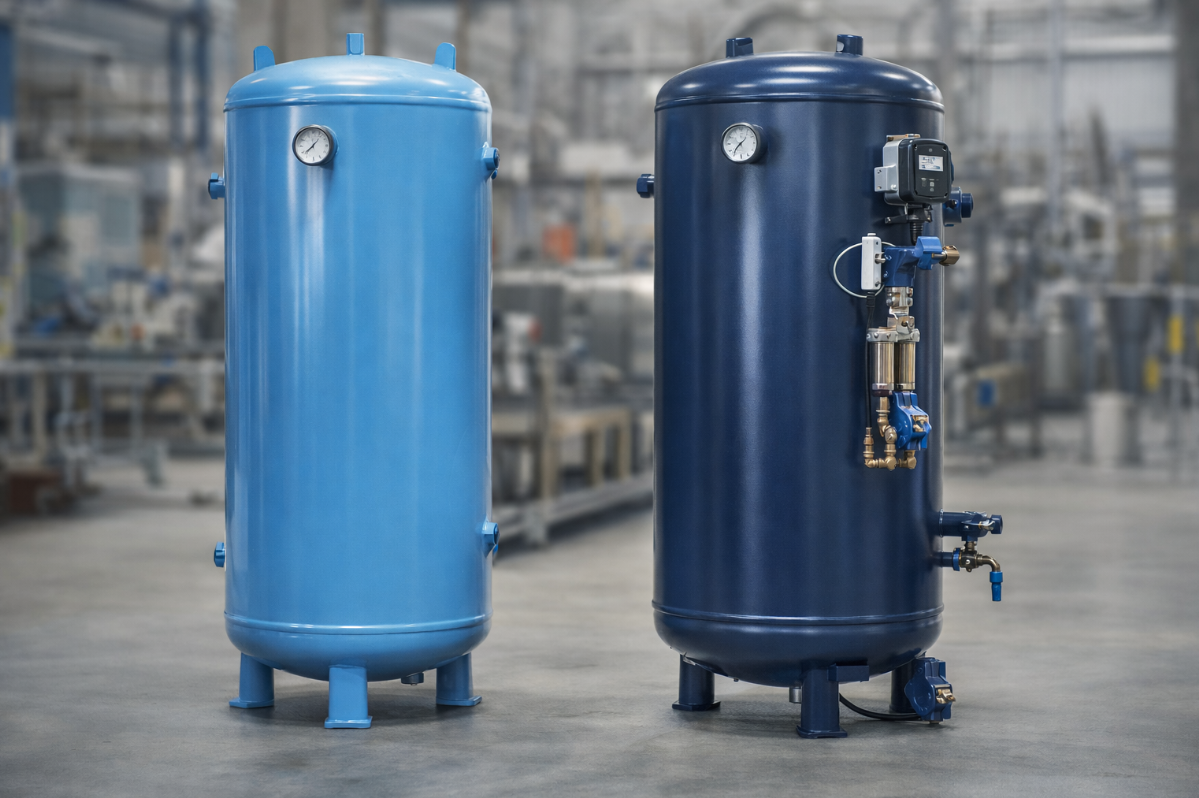
ERP vs Standard Air Receivers: Key Differences
Discover the real difference between ERP vs Standard Air Receivers and how each impacts pressure stability, moisture control, energy efficiency, and long-term system performance in industrial compressed air setups.
When evaluating compressed air infrastructure, understanding the difference between ERP vs Standard Air Receivers is critical for system efficiency, cost control, and long-term performance. While both serve as air storage vessels, their design philosophy, operational benefits, and impact on system stability vary significantly.
Below is a structured breakdown of how ERP vs Standard Air Receivers differ in construction, efficiency, application, and overall value.
1. Design Philosophy and Engineering
The primary distinction in ERP vs Standard Air Receivers lies in design intent.
Standard Air Receivers
Standard receivers are traditional pressure vessels designed primarily to:
Store compressed air
Reduce compressor cycling
Stabilize pressure fluctuations
Act as a buffer during peak demand
They are typically cylindrical steel tanks built according to pressure vessel standards and installed either vertically or horizontally.
ERP Air Receivers
ERP (Energy Recovery or Enhanced Receiver Performance depending on system type) air receivers are engineered with efficiency and system optimization in mind. Their design often integrates:
Optimized internal airflow paths
Enhanced moisture management
Reduced turbulence
Compatibility with advanced control systems
Improved condensation handling
In the context of ERP vs Standard Air Receivers, ERP models focus not just on storage, but on improving total system performance.
2. Airflow Efficiency and Pressure Stability
Pressure stability directly affects production consistency and energy consumption.
Standard Air Receivers:
Provide basic pressure buffering
May allow internal turbulence
Can create uneven airflow distribution
Depend heavily on correct sizing
ERP Air Receivers:
Designed to reduce internal turbulence
Offer smoother airflow transitions
Maintain more consistent pressure under variable loads
Improve compressor load/unload cycles
In ERP vs Standard Air Receivers comparisons, ERP units often reduce pressure drop across the system, resulting in better energy efficiency.
3. Moisture Management Capabilities
Condensation is a natural byproduct of compressed air systems. Poor moisture management leads to corrosion, contamination, and equipment damage.
Standard Receivers:
Collect condensate at the bottom
Require manual or automatic drains
May allow moisture re-entrainment if poorly designed
ERP Receivers:
Enhanced separation of air and condensate
Better internal flow geometry
Reduced water carryover downstream
Improved compatibility with dryers and filtration units
One of the practical advantages in ERP vs Standard Air Receivers is improved moisture control, which protects downstream equipment.
4. Energy Efficiency Impact
Energy consumption is one of the highest operating costs in compressed air systems.
Standard Air Receivers:
Reduce compressor cycling
Help during peak air demand
Do not actively improve energy optimization
ERP Air Receivers:
Optimize pressure stabilization
Reduce pressure drop
Minimize compressor start/stop frequency
Improve system efficiency under variable load
When analyzing ERP vs Standard Air Receivers, ERP units typically contribute to measurable reductions in energy waste, especially in industrial environments operating 24/7.
5. Installation and System Integration
System compatibility matters, especially in complex industrial setups.
Standard Air Receivers:
Simple installation
Widely available
Compatible with most systems
Limited integration with smart monitoring
ERP Air Receivers:
Often part of engineered air solutions
Designed for integration with advanced compressor controls
Better suited for optimized compressed air networks
Frequently paired with energy-efficient systems
In ERP vs Standard Air Receivers comparisons, ERP solutions tend to align better with modern, energy-managed facilities.
6. Application Suitability
Not every facility requires an ERP solution.
Standard Air Receivers Are Ideal For:
Small workshops
Intermittent air demand
Low operating hours
Budget-restricted installations
ERP Air Receivers Are Recommended For:
Manufacturing plants
Continuous production lines
High energy consumption facilities
Precision industries (food, pharma, electronics)
Understanding the operational environment is essential when choosing between ERP vs Standard Air Receivers.
7. Cost Considerations
Initial cost and lifecycle cost differ significantly.
Initial Investment:
Standard receivers are more affordable upfront.
ERP receivers require higher initial capital.
Long-Term Value:
ERP systems may reduce:
Energy bills
Maintenance frequency
Equipment wear
System downtime
In ERP vs Standard Air Receivers financial comparisons, ERP options often demonstrate better return on investment in high-demand operations.
8. Maintenance Requirements
Maintenance directly impacts reliability.
Standard Air Receivers:
Routine draining
Periodic inspection for corrosion
Pressure relief valve testing
Internal inspection when required
ERP Air Receivers:
Designed to minimize moisture-related corrosion
Reduced turbulence lowers internal wear
Often integrated with automated drainage systems
Enhanced system longevity
The maintenance advantage in ERP vs Standard Air Receivers becomes evident in demanding industrial environments.
9. Pressure Drop and System Performance
Pressure drop affects energy consumption and production efficiency.
Standard Receivers:
May introduce slight pressure loss
Dependent on installation quality
Susceptible to airflow inefficiencies
ERP Receivers:
Designed to minimize pressure drop
Enhance airflow continuity
Improve downstream equipment performance
In ERP vs Standard Air Receivers evaluations, ERP models often deliver better air quality and stability across the system.
10. Safety and Compliance
Both types must comply with pressure vessel regulations.
Standard air receivers:
Built under pressure vessel codes
Require periodic inspection
ERP air receivers:
Built under the same regulatory standards
Often incorporate additional safety-focused engineering
Safety is not necessarily the main differentiator in ERP vs Standard Air Receivers, but design refinement can enhance operational reliability.
Frequently Asked Questions
What is the main difference between ERP vs Standard Air Receivers?
The main difference is performance optimization. Standard receivers store air, while ERP receivers improve airflow efficiency, reduce pressure drop, and enhance energy performance.
Are ERP air receivers worth the extra cost?
In high-demand industrial settings, ERP receivers often provide long-term energy savings that justify the higher initial investment.
Can I replace a standard receiver with an ERP receiver?
Yes, provided the system is properly evaluated for compatibility, sizing, and integration requirements.
Do ERP receivers reduce compressor wear?
Yes. By stabilizing pressure and reducing unnecessary cycling, ERP units can decrease mechanical stress on compressors.
Which is better for small workshops?
For small workshops with limited operating hours, a standard air receiver is typically sufficient and more cost-effective.
Does ERP vs Standard Air Receivers affect air quality?
ERP receivers generally improve moisture separation and airflow stability, which can enhance downstream air quality.
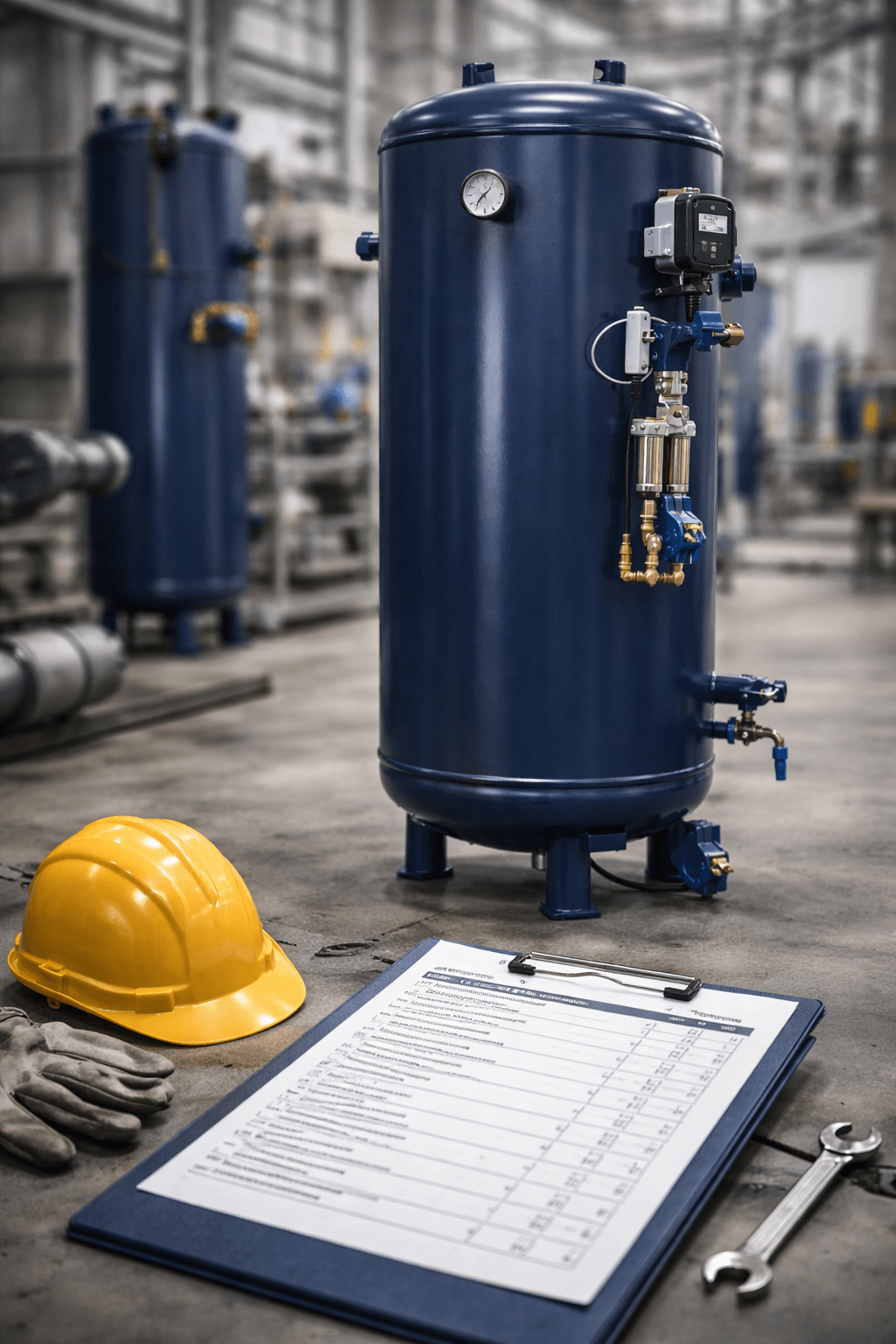
Complete ERP Air Receiver Maintenance Guide
This ERP Air Receiver Maintenance checklist outlines essential daily, weekly, and annual inspections to ensure pressure stability, moisture control, regulatory compliance, and long-term system efficiency in industrial compressed air operations.
Proper ERP Air Receiver Maintenance is essential for ensuring system reliability, energy efficiency, and operational safety. Unlike standard air tanks, ERP receivers are engineered to enhance airflow performance and moisture control, which means maintenance must address both structural integrity and performance optimization.
Below is a structured maintenance checklist designed for industrial environments.
1. Daily Inspection Procedures
Daily checks prevent minor issues from becoming costly failures.
Visual Exterior Inspection
Check for visible corrosion or paint damage
Inspect weld seams for cracks
Ensure mounting legs are stable
Confirm that pressure gauges display normal readings
Drain System Verification
ERP receivers often include automated drain systems. Verify:
No visible leaks around drain valves
Electronic drain timers are functioning
No blockage in condensate discharge lines
Ignoring drain issues increases moisture accumulation, which directly affects ERP Air Receiver Maintenance standards.
2. Weekly Maintenance Checks
Weekly inspections focus on system integration and airflow performance.
Pressure Stability Monitoring
Compare tank pressure to compressor discharge pressure
Identify abnormal pressure fluctuations
Detect signs of excessive compressor cycling
Unstable pressure may indicate internal airflow disruption or improper system sizing.
Condensate Management
Test automatic drains manually
Check for oil-water mixture buildup
Inspect separation components if integrated
Effective condensate removal is central to ERP Air Receiver Maintenance because ERP units are designed to optimize moisture handling.
3. Monthly Structural and Functional Checks
Monthly evaluations ensure long-term reliability.
Safety Valve Inspection
Test pressure relief valves
Confirm compliance with rated pressure limits
Inspect for debris or corrosion
Safety valves are critical components that protect the vessel from over-pressurization.
Connection Points and Fittings
Inspect inlet and outlet flanges
Check threaded joints
Ensure no air leakage
Leaks compromise system efficiency and increase energy consumption.
4. Internal Inspection Schedule
Internal inspections depend on operating conditions and regulatory requirements.
What to Check Internally:
Internal corrosion
Pitting or scaling
Moisture accumulation patterns
Structural integrity of internal flow components
ERP Air Receiver Maintenance must include internal assessments, especially in high-humidity or high-load environments.
5. Monitoring Energy Efficiency
ERP receivers are engineered for optimized airflow and reduced pressure drop. Maintenance should verify that efficiency gains are preserved.
Performance Indicators:
Reduced compressor cycling
Stable downstream pressure
Lower system pressure drop
Improved air quality at point of use
If performance declines, investigate:
Internal obstruction
Drain malfunction
Excessive moisture buildup
System configuration changes
Regular ERP Air Receiver Maintenance protects both performance and energy efficiency.
6. Corrosion Prevention Strategy
Corrosion is one of the leading causes of air receiver failure.
Preventive Measures:
Ensure proper condensate drainage
Maintain protective exterior coating
Install upstream dryers if required
Avoid moisture stagnation
ERP units often incorporate better flow geometry, but without consistent maintenance, corrosion risks remain.
7. Compliance and Certification Requirements
Industrial air receivers must comply with pressure vessel regulations.
Ensure:
Inspection logs are documented
Pressure vessel certifications are current
Relief valve testing is recorded
Insurance compliance standards are met
ERP Air Receiver Maintenance is not only a performance task but also a regulatory obligation.
8. Automation System Checks
Many ERP receivers integrate electronic drain systems and smart monitoring.
Verify:
Electrical connections are secure
Sensors function correctly
Control panels display accurate data
Timers operate according to specification
Malfunctioning automation can lead to water accumulation and performance degradation.
9. Common Maintenance Mistakes to Avoid
Avoid these common errors during ERP Air Receiver Maintenance:
Ignoring minor leaks
Skipping drain inspections
Overlooking safety valve testing
Failing to monitor pressure stability
Delaying internal inspection schedules
Preventive maintenance is significantly less expensive than emergency repairs or vessel replacement.
10. Signs Your ERP Air Receiver Needs Immediate Attention
Immediate action is required if you observe:
Sudden pressure instability
Visible tank bulging
Continuous air leakage
Excessive moisture downstream
Safety valve discharge
Prompt response prevents catastrophic failure and protects surrounding equipment.
Frequently Asked Questions
How often should ERP Air Receiver Maintenance be performed?
Basic visual inspections should occur daily, while comprehensive internal inspections should be conducted annually or according to regulatory standards.
Does ERP Air Receiver Maintenance differ from standard receivers?
Yes. ERP receivers require additional attention to airflow optimization and advanced drain systems.
Can poor maintenance increase energy costs?
Yes. Neglected drains, leaks, and pressure instability increase compressor workload and energy consumption.
Are ERP air receivers more resistant to corrosion?
They are designed to improve moisture separation, but corrosion prevention still depends on proper maintenance practices.
Who should perform ERP Air Receiver Maintenance?
Qualified technicians familiar with pressure vessel systems and compressed air infrastructure should conduct inspections.
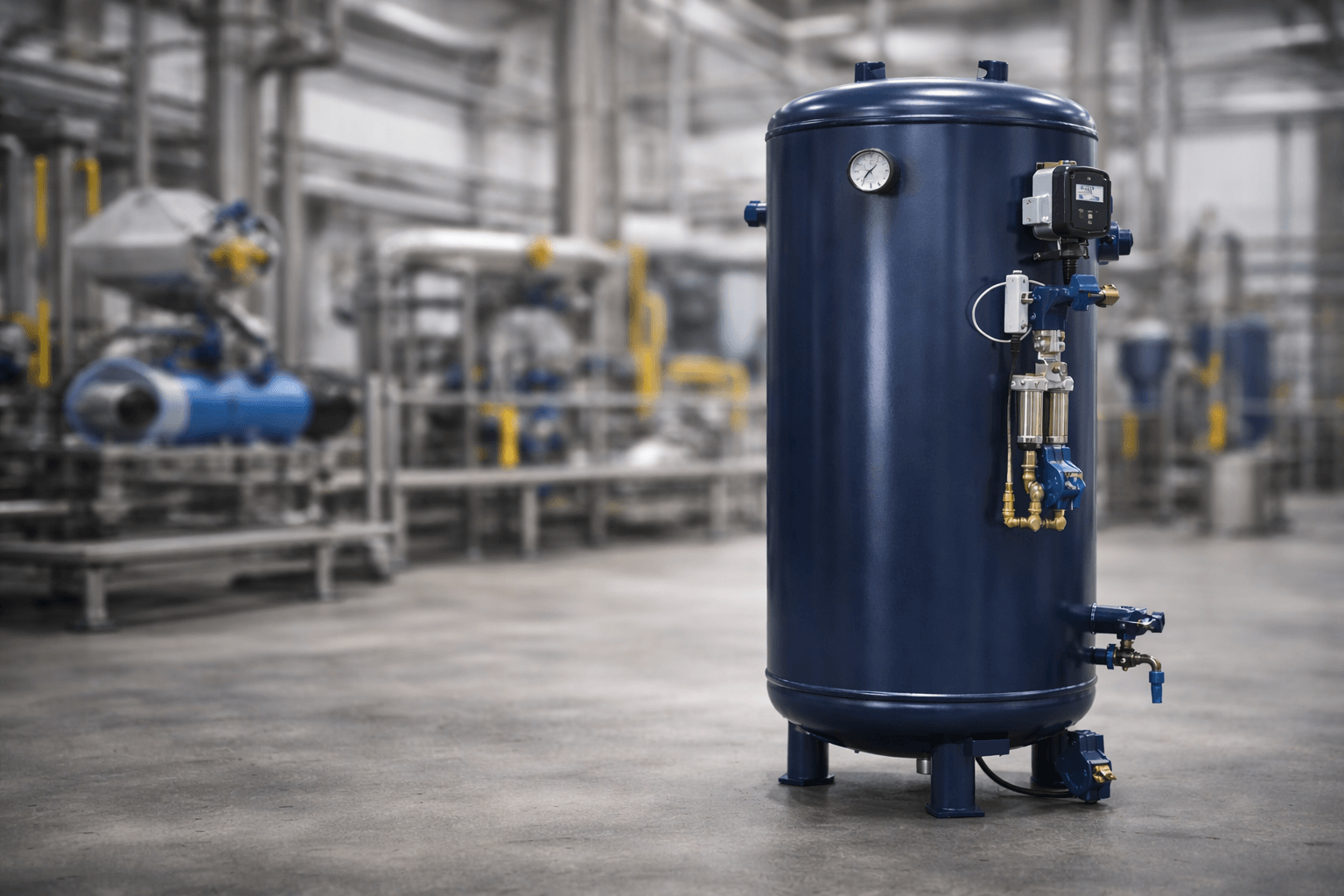
Why Install an ERP Air Tank?
Discover ERP Air Tank Benefits in industrial applications, including improved pressure stability, energy savings, moisture control, and reduced downtime for high-demand operations.
Installing an ERP air tank is not simply about adding storage capacity. It is a strategic upgrade that improves system efficiency, pressure stability, moisture control, and operational reliability. The following breakdown explains the measurable ERP Air Tank Benefits in industrial environments.
1. Improved Pressure Stability
Pressure fluctuation is a common issue in high-demand production facilities.
An ERP air tank helps by:
Buffering peak demand surges
Reducing sudden pressure drops
Minimizing compressor load/unload cycling
Supporting consistent downstream airflow
Stable pressure improves machine precision, especially in automated production lines. One of the core ERP Air Tank Benefits is consistent system output under variable load conditions.
2. Energy Efficiency Gains
Compressed air is one of the most expensive utilities in industrial operations. Small inefficiencies can significantly increase operating costs.
An ERP air tank contributes to energy optimization by:
Reducing compressor cycling frequency
Lowering pressure drop
Allowing compressors to operate within optimal load range
Preventing over-pressurization
Unlike conventional tanks, ERP models are engineered to optimize airflow geometry. These ERP Air Tank Benefits directly impact long-term electricity consumption.
3. Reduced Mechanical Stress
Frequent compressor cycling accelerates wear on:
Motors
Bearings
Valves
Seals
By stabilizing system pressure, ERP air tanks reduce mechanical strain. Fewer start-stop cycles translate into longer compressor lifespan and reduced maintenance costs.
Reduced equipment fatigue is among the most financially significant ERP Air Tank Benefits.
4. Enhanced Moisture Management
Condensation is unavoidable in compressed air systems. However, improper moisture control leads to:
Corrosion
Contaminated air
Blocked valves
Damaged pneumatic tools
ERP air tanks often incorporate improved internal airflow design that:
Promotes condensate separation
Reduces moisture carryover
Enhances compatibility with dryers
Minimizes internal corrosion
Better moisture handling is one of the operational ERP Air Tank Benefits that protects downstream components.
5. Lower Risk of Downtime
Unexpected shutdowns in industrial facilities result in production losses and financial impact.
An ERP air tank supports uptime by:
Acting as a reserve buffer during short-term demand spikes
Maintaining airflow during minor compressor interruptions
Reducing system instability
Downtime prevention is a strategic advantage when evaluating ERP Air Tank Benefits for manufacturing facilities.
6. Optimized Air Quality
Air quality affects sensitive industries such as:
Food processing
Pharmaceuticals
Electronics manufacturing
Automotive assembly
ERP tanks improve airflow behavior and reduce turbulence. This controlled flow reduces oil and moisture carryover, supporting cleaner compressed air.
Improved air quality contributes to compliance standards and product consistency.
7. Scalability for Growing Facilities
Industrial facilities often expand production capacity. A well-designed ERP tank installation provides:
Additional air storage for future expansion
Better load balancing
Integration flexibility with multiple compressors
These ERP Air Tank Benefits allow businesses to scale without redesigning their entire compressed air infrastructure.
8. Better System Integration
ERP tanks are frequently integrated into engineered compressed air systems.
Advantages include:
Compatibility with smart controls
Automated drain integration
Improved system diagnostics
Enhanced performance monitoring
Modern industrial plants require more than storage capacity. ERP Air Tank Benefits extend into system intelligence and operational control.
9. Long-Term Cost Efficiency
While ERP tanks may require a higher initial investment, lifecycle costs often justify the expense.
Cost advantages include:
Lower energy consumption
Reduced maintenance frequency
Longer compressor lifespan
Minimized downtime losses
In high-demand environments, ERP Air Tank Benefits often deliver measurable return on investment within operational cycles.
10. Pressure Drop Reduction
Pressure drop forces compressors to work harder than necessary.
ERP tanks are engineered to:
Improve airflow path efficiency
Reduce turbulence
Support balanced air distribution
Lower pressure drop reduces unnecessary energy consumption and enhances overall system performance.
This is one of the less visible but technically critical ERP Air Tank Benefits.
11. Safety and Compliance Support
Industrial air systems must comply with safety regulations and pressure vessel standards.
ERP tanks:
Meet pressure vessel certifications
Improve system stability
Reduce over-pressurization risk
Enhanced operational reliability supports workplace safety and regulatory compliance.
Frequently Asked Questions
What makes ERP Air Tank Benefits different from standard tanks?
ERP tanks are engineered to improve airflow efficiency, reduce pressure drop, and enhance energy optimization beyond basic air storage.
Do ERP air tanks reduce energy costs?
Yes. By stabilizing pressure and minimizing compressor cycling, ERP tanks contribute to measurable energy savings.
Are ERP air tanks necessary for small workshops?
For low-demand applications, a standard tank may be sufficient. ERP Air Tank Benefits become more significant in high-load industrial settings.
Can ERP tanks improve air quality?
Yes. Enhanced airflow design and improved condensate separation reduce contamination risk.
Is installation complex?
Installation is similar to standard tanks but may include integration with automated drains or monitoring systems.
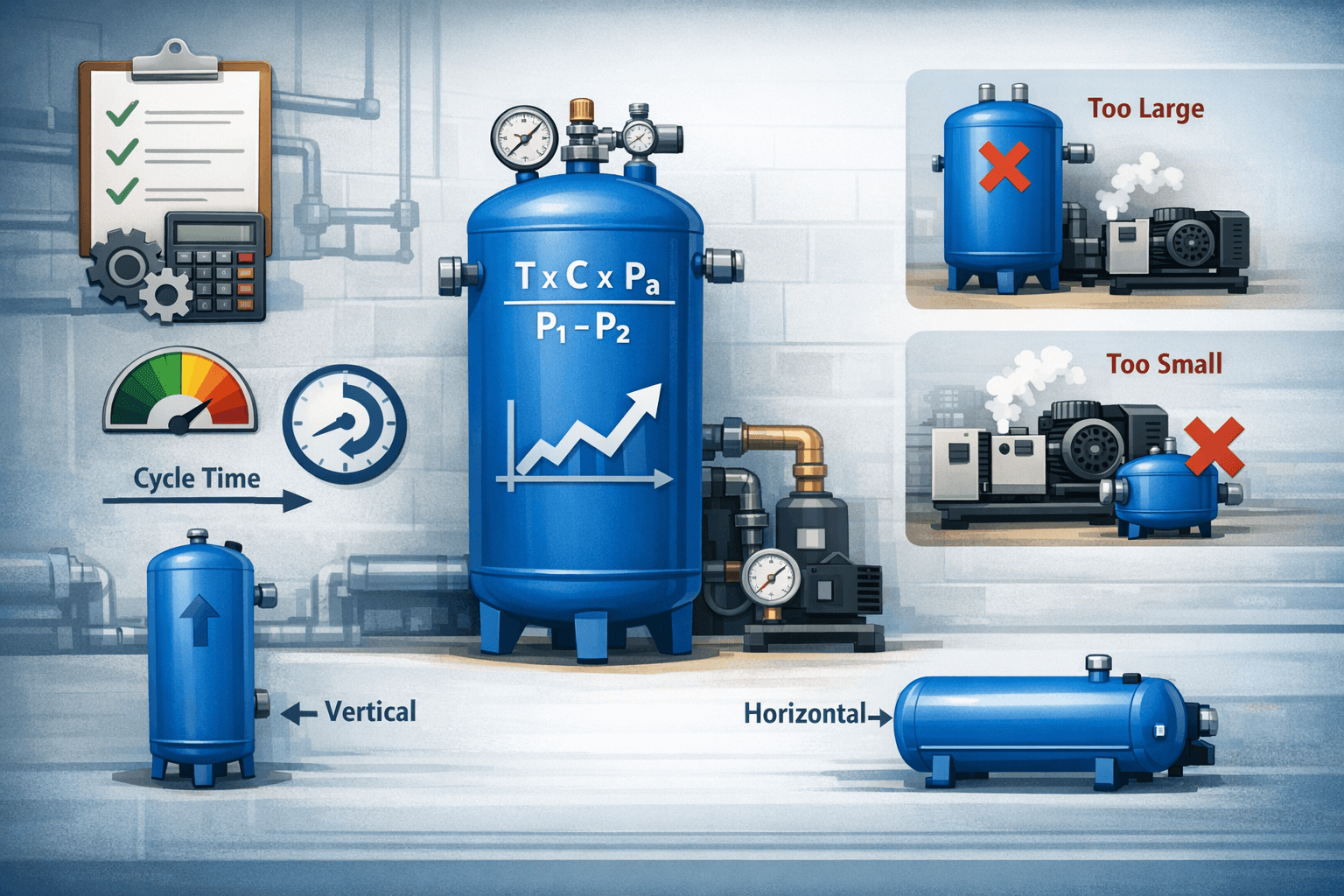
Sizing an ERP Air Receiver Made Simple
Learn how to size ERP Air Receiver systems accurately using pressure calculations, compressor data, and peak demand analysis to improve efficiency and system stability.
Choosing the correct tank size is critical for maintaining pressure stability, reducing compressor cycling, and optimizing energy efficiency. If you oversize or undersize your receiver, you risk performance issues and unnecessary operational costs.
This guide explains how to size ERP Air Receiver systems properly using practical calculations and engineering considerations.
1. Understand the Receiver’s Role
Before calculations, it’s important to understand what the air receiver does:
Stores compressed air
Stabilizes pressure fluctuations
Reduces compressor cycling
Acts as a moisture separator
Supports peak demand surges
Properly sizing an ERP air receiver ensures your compressor operates within its optimal performance range.
2. Gather Key System Data
To accurately size ERP Air Receiver systems, you need:
Compressor capacity (CFM or m³/min)
System operating pressure (PSI or bar)
Minimum allowable pressure
Peak air demand
Acceptable compressor cycle time
Without these variables, sizing becomes guesswork.
3. Basic Sizing Formula
A commonly used rule of thumb:
1 gallon of receiver volume per 1 CFM of compressor output
However, this is only a general guideline.
A more precise engineering formula:
V=T×C×PaP1−P2V = \frac{T \times C \times P_a}{P_1 - P_2}V=P1−P2T×C×Pa
Where:
V = Receiver volume
T = Desired time interval (minutes)
C = Compressor capacity (CFM)
P₁ = Maximum pressure (absolute)
P₂ = Minimum pressure (absolute)
Pₐ = Atmospheric pressure
This formula helps size ERP Air Receiver systems more accurately for industrial applications.
4. Based on Compressor Cycling
If your goal is to reduce frequent cycling:
Determine acceptable compressor start/stop frequency
Calculate required buffer time
Increase tank volume accordingly
ERP tanks are often installed specifically to control cycling behavior, making sizing accuracy critical.
5. Based on Peak Demand
If your facility experiences short bursts of high air consumption:
Measure peak demand duration
Calculate additional volume required to maintain pressure
Add safety margin
In such cases, sizing an ERP Air Receiver should focus on buffering peak loads rather than average demand.
6. For Variable Speed Compressors
If you are using VSD (Variable Speed Drive) compressors:
Smaller receiver volumes may be acceptable
However, minimum buffer storage is still necessary
Receiver improves moisture separation and system stability
Even with advanced compressors, correctly sizing an ERP Air Receiver remains important.
7. Vertical vs Horizontal Considerations
Receiver orientation does not change required volume but may impact:
Space availability
Drainage efficiency
Installation flexibility
Maintenance accessibility
ERP tanks are typically available in both configurations.
8. Temperature & Moisture Impact
Hot compressed air expands, affecting system volume.
Consider:
Ambient temperature
Dryer placement
Aftercooler efficiency
Condensate load
Proper sizing ensures sufficient dwell time for moisture separation inside the ERP receiver.
9. Safety Factor Recommendation
Industrial engineers often add:
10–25% extra volume as a safety margin
This ensures flexibility for future demand increases.
When planning to size ERP Air Receiver systems for growing facilities, oversizing slightly is often better than undersizing.
10. Common Sizing Mistakes
Avoid these errors:
Using only rule-of-thumb sizing
Ignoring peak demand spikes
Forgetting pressure differential calculation
Undersizing due to space limitations
Overlooking future expansion
Accurate sizing directly affects energy efficiency and compressor lifespan.
FAQs
What happens if I undersize an ERP air receiver?
You will experience frequent compressor cycling, pressure drops, and reduced equipment lifespan.
Can I oversize an ERP air receiver?
Yes, but excessive oversizing may increase cost and space usage without significant benefit.
Does tank location matter?
Yes. Installing close to demand points improves pressure stability.
Is sizing different for high-pressure systems?
Yes. Pressure differential plays a greater role, making calculation accuracy essential.
Conclusion
To properly size ERP Air Receiver systems, you must consider compressor capacity, pressure range, peak demand, and operational goals. While simple rules provide a starting point, detailed calculation ensures long-term performance, energy efficiency, and system reliability.
Correct sizing is not optional—it is fundamental to optimized compressed air systems.
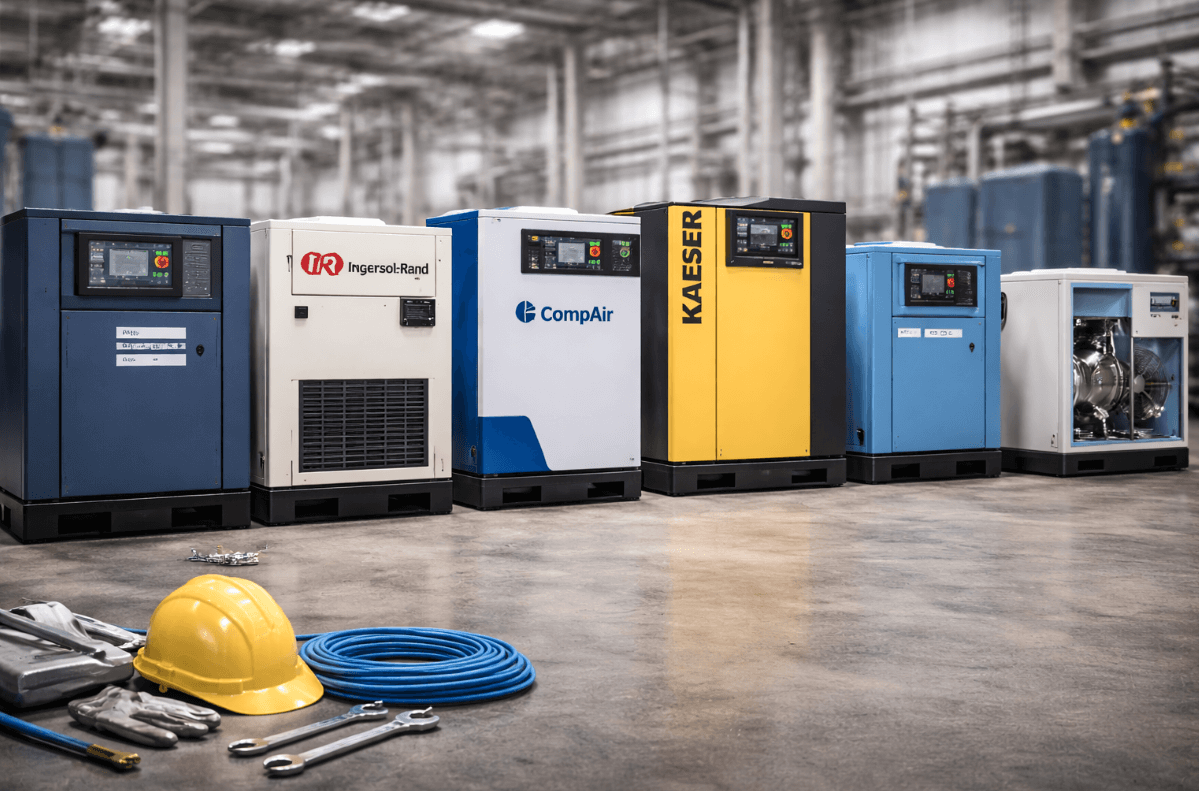
Best Air Compressor Brands in the UK
Discover the Best Air Compressor Brands in the UK, comparing reliability, efficiency, industrial performance, and after-sales support to choose the right solution for your business.
Choosing among the Best Air Compressor Brands in the UK requires more than comparing prices. Industrial buyers must evaluate reliability, service availability, energy efficiency, product range, and long-term operating cost.
The UK market includes global manufacturers and strong European engineering brands that support industries ranging from automotive workshops to large-scale manufacturing plants.
This guide reviews the Best Air Compressor Brands in the UK based on performance, durability, and industrial reputation.
Atlas Copco
Atlas Copco is widely recognized as one of the premium manufacturers in the compressed air industry.
Key strengths:
Advanced energy-efficient rotary screw compressors
Integrated air treatment solutions
Smart monitoring systems
Strong UK service network
Atlas Copco is commonly selected for large industrial facilities where uptime and energy optimization are critical. It is frequently ranked among the Best Air Compressor Brands in the UK for high-demand applications.
Ingersoll Rand
Ingersoll Rand has a long-standing global reputation and strong presence in the UK.
Highlights include:
Durable rotary screw compressors
Oil-free compressor options
Reliable after-sales service
Broad industrial product range
Their systems are often chosen for continuous-duty industrial environments.
CompAir
CompAir has a strong footprint in the UK market and is known for engineering quality.
Advantages:
Energy-efficient screw compressors
Oil-free technology options
UK-based technical support
Competitive pricing for industrial systems
CompAir products are commonly used in manufacturing, food production, and pharmaceutical industries.
BOGE
BOGE is recognized for precision German engineering and durable industrial compressors.
Key benefits:
Long equipment lifespan
Efficient rotary screw models
Compact industrial solutions
Strong performance consistency
BOGE systems are often selected for facilities requiring stable pressure and reliability.
Kaeser
Kaeser is well-known for innovation and intelligent system control.
Notable features:
Sigma Control smart management
High-efficiency airends
Integrated air systems
Energy-saving technologies
Kaeser is frequently included among the Best Air Compressor Brands in the UK for its engineering-driven approach and system optimization focus.
Hydrovane
Hydrovane is a UK-based manufacturer specializing in rotary vane compressors.
Strengths include:
Compact design
Quiet operation
Low maintenance requirements
Suitable for workshops and light industrial use
Hydrovane is often chosen for small to medium facilities looking for reliable and space-efficient solutions.
ALUP
ALUP offers cost-effective industrial compressors with solid engineering performance.
Key characteristics:
Competitive pricing
Reliable screw compressor range
Simple maintenance structure
Good UK distribution coverage
ALUP is frequently selected by mid-sized industrial operations.
Factors to Consider When Choosing a Brand
Selecting from the Best Air Compressor Brands in the UK depends on operational needs rather than brand popularity alone.
Important evaluation criteria include:
Required airflow capacity
Pressure range
Energy efficiency ratings
Availability of UK service centers
Spare parts accessibility
Total cost of ownership
Noise level requirements
Future expansion compatibility
Brand reputation should be balanced with application suitability.
Industrial vs Workshop Applications
For heavy industrial production:
Atlas Copco
Kaeser
Ingersoll Rand
CompAir
For small workshops or light industrial use:
Hydrovane
ALUP
Smaller-range models from major brands
Different operating environments require different performance levels.
Energy Efficiency and Smart Controls
Modern compressor brands integrate:
Variable Speed Drive (VSD) technology
Digital monitoring systems
Remote diagnostics
Predictive maintenance alerts
Energy efficiency is a major differentiator among the Best Air Compressor Brands in the UK, especially as electricity costs rise.
Service and Support in the UK
Availability of technical support is critical.
When evaluating brands, check:
Number of UK service centers
Response time guarantees
Warranty coverage
Maintenance contracts
Availability of certified engineers
Strong after-sales support often outweighs minor price differences.
Conclusion
The Best Air Compressor Brands in the UK combine engineering reliability, energy efficiency, and strong local support networks. Brands such as Atlas Copco, Ingersoll Rand, Kaeser, CompAir, BOGE, Hydrovane, and ALUP dominate the UK industrial market for good reason.
Selecting the right brand depends on application scale, energy goals, and long-term operational strategy. A properly chosen compressor brand ensures stable pressure, lower energy costs, and improved system lifespan.
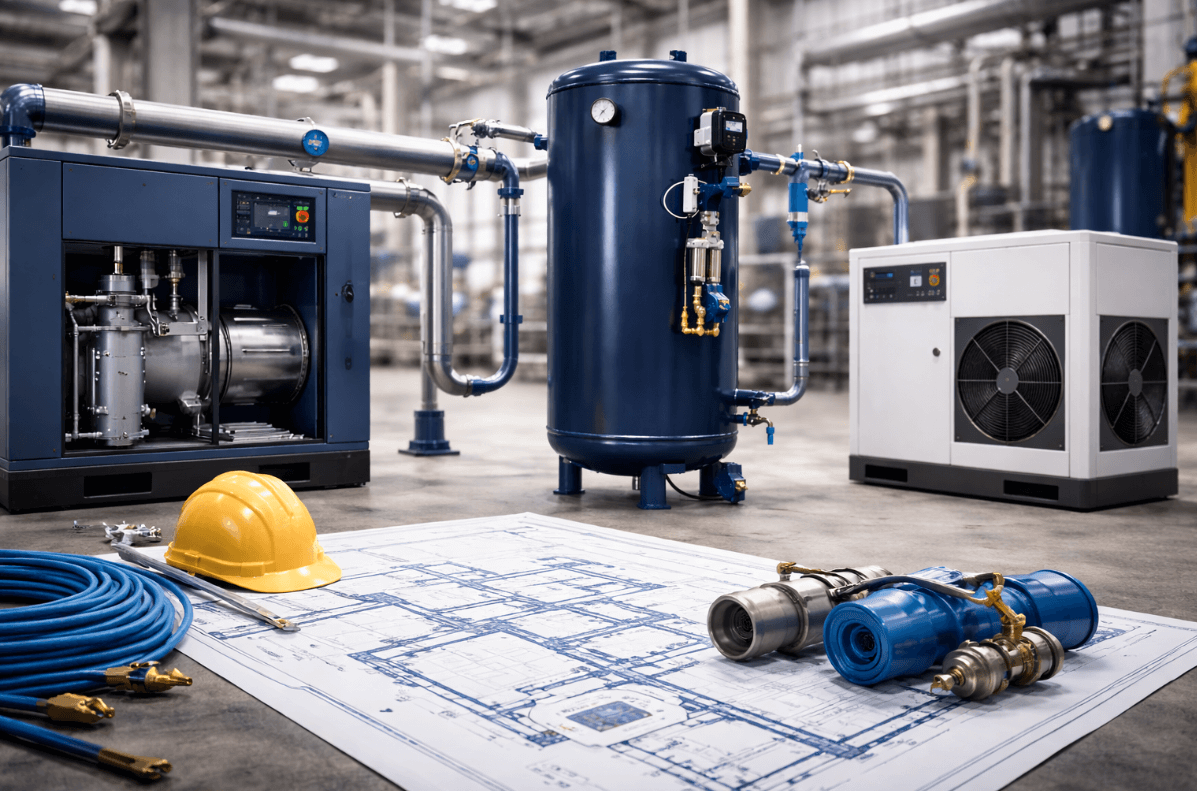
Air Compressor System Design: From Tank to Piping
Discover how Air Compressor System Design connects tank sizing, air treatment, and piping layout to ensure pressure stability, energy efficiency, and long-term system reliability.
Air Compressor System Design is not limited to selecting a compressor. It is a complete engineering process that connects air generation, storage, treatment, and distribution into one balanced and efficient infrastructure.
From the air receiver tank to the final piping network, each component must function in harmony. Poor design decisions at any stage can increase energy consumption, cause pressure instability, and reduce equipment lifespan.
This guide presents a structured and technical overview of Air Compressor System Design, focusing on storage and piping integration.
Lowering Energy Costs in Compressed Air Systems
The Role of the Air Receiver Tank
In Air Compressor System Design, the air receiver tank acts as a pressure stabilizer and energy buffer.
Its main functions include:
Storing compressed air during low demand
Supplying additional air during peak consumption
Reducing compressor start/stop frequency
Allowing moisture to separate from the air stream
A properly sized tank prevents excessive cycling and reduces mechanical stress on the compressor. The receiver also improves system response time when sudden airflow demand occurs.
Design consideration should include:
Required airflow capacity
Pressure range (maximum and minimum)
Desired compressor cycle time
Future expansion margin
Storage is not an accessory; it is a core element of Air Compressor System Design.
Pressure Stability as a Design Objective
Pressure fluctuation is one of the most common performance issues in industrial systems.
Effective Air Compressor System Design ensures:
Minimal pressure drop between generation and end-use
Controlled compressor loading cycles
Stable downstream pressure during peak demand
When pressure drops excessively, operators often increase system pressure unnecessarily. This creates artificial demand and raises energy costs.
Engineering the system to maintain stable pressure eliminates the need for overcompensation.
Integrating Air Treatment
Between the tank and the piping network, air treatment plays a critical role.
Moisture and contaminants can cause:
Corrosion inside pipes
Pneumatic tool damage
Product contamination
Increased maintenance frequency
Air Compressor System Design should integrate:
Aftercoolers
Refrigerated or desiccant dryers
Multi-stage filtration
Automatic condensate drains
Placement of dryers and filters directly affects performance. Installing them after the receiver tank improves moisture separation efficiency and enhances overall system reliability.
Designing the Piping Network
The piping system determines how efficiently compressed air reaches end-use equipment.
Common design mistakes include:
Undersized pipe diameters
Excessive bends and elbows
Dead-end layouts
Long, restrictive runs
Air Compressor System Design should prioritize a loop-style piping configuration. A looped system allows air to flow from multiple directions, balancing pressure and reducing localized drops.
Other important considerations:
Smooth internal pipe surfaces
Minimal fittings and restrictions
Proper pipe slope for condensate drainage
Isolation valves for maintenance flexibility
An optimized piping network reduces energy loss and improves overall system responsiveness.
Managing Pressure Drop
Pressure drop is inevitable, but excessive drop indicates poor design.
In Air Compressor System Design, acceptable pressure drop from compressor discharge to point-of-use should be minimized as much as possible.
Pressure drop increases due to:
High airflow velocity
Rough pipe interiors
Poor filtration maintenance
Long distribution lines
Selecting the correct pipe diameter is essential. Oversizing slightly is often more energy-efficient than undersizing.
Reducing pressure drop directly lowers compressor workload and energy consumption.
Location and Layout Strategy
Physical layout influences performance.
Best practices in Air Compressor System Design include:
Installing compressors in well-ventilated areas
Minimizing distance between compressor and receiver
Positioning tanks near major demand zones
Separating generation and production heat sources
Proper layout reduces thermal stress and enhances airflow efficiency.
Balancing Supply and Demand
Design must reflect actual air usage patterns.
Engineers should evaluate:
Continuous vs intermittent demand
Peak demand duration
Simultaneous equipment operation
Future production increases
Oversizing compressors without evaluating real demand leads to inefficiency. Undersizing creates instability and frequent cycling.
Accurate demand profiling is fundamental to effective Air Compressor System Design.
Energy Optimization in Design Phase
Energy efficiency should be built into the design—not added later.
Energy-conscious Air Compressor System Design includes:
Variable speed compressors for fluctuating loads
Adequate receiver storage
Proper pipe sizing
Leak prevention strategies
Smart monitoring integration
Designing for efficiency from the start reduces lifecycle costs dramatically.
Maintenance Accessibility
A technically sound design must also consider serviceability.
Maintenance-focused Air Compressor System Design provides:
Clear access to filters and drains
Space around compressors for inspection
Isolated piping sections
Visible pressure gauges and sensors
Ignoring maintenance access increases downtime and operational risk.
Scalability and Future Expansion
Industrial facilities evolve. A rigid system becomes a limitation.
Future-ready Air Compressor System Design allows:
Additional compressor integration
Expanded piping loops
Extra receiver capacity
Smart control upgrades
Planning for growth prevents costly system redesigns.
Common Design Errors
Recurring mistakes include:
Treating the receiver as optional
Designing piping without airflow calculations
Ignoring pressure differential analysis
Oversizing compressors instead of optimizing distribution
Neglecting moisture control
These errors increase energy use and reduce system reliability.
Conclusion
Air Compressor System Design is a comprehensive engineering discipline that connects generation, storage, treatment, and distribution into one balanced infrastructure.
From tank sizing to piping configuration, each decision affects energy efficiency, pressure stability, and operational continuity. A well-designed system reduces costs, improves equipment lifespan, and supports long-term industrial productivity.
Design is not about adding components—it is about integrating them intelligently.
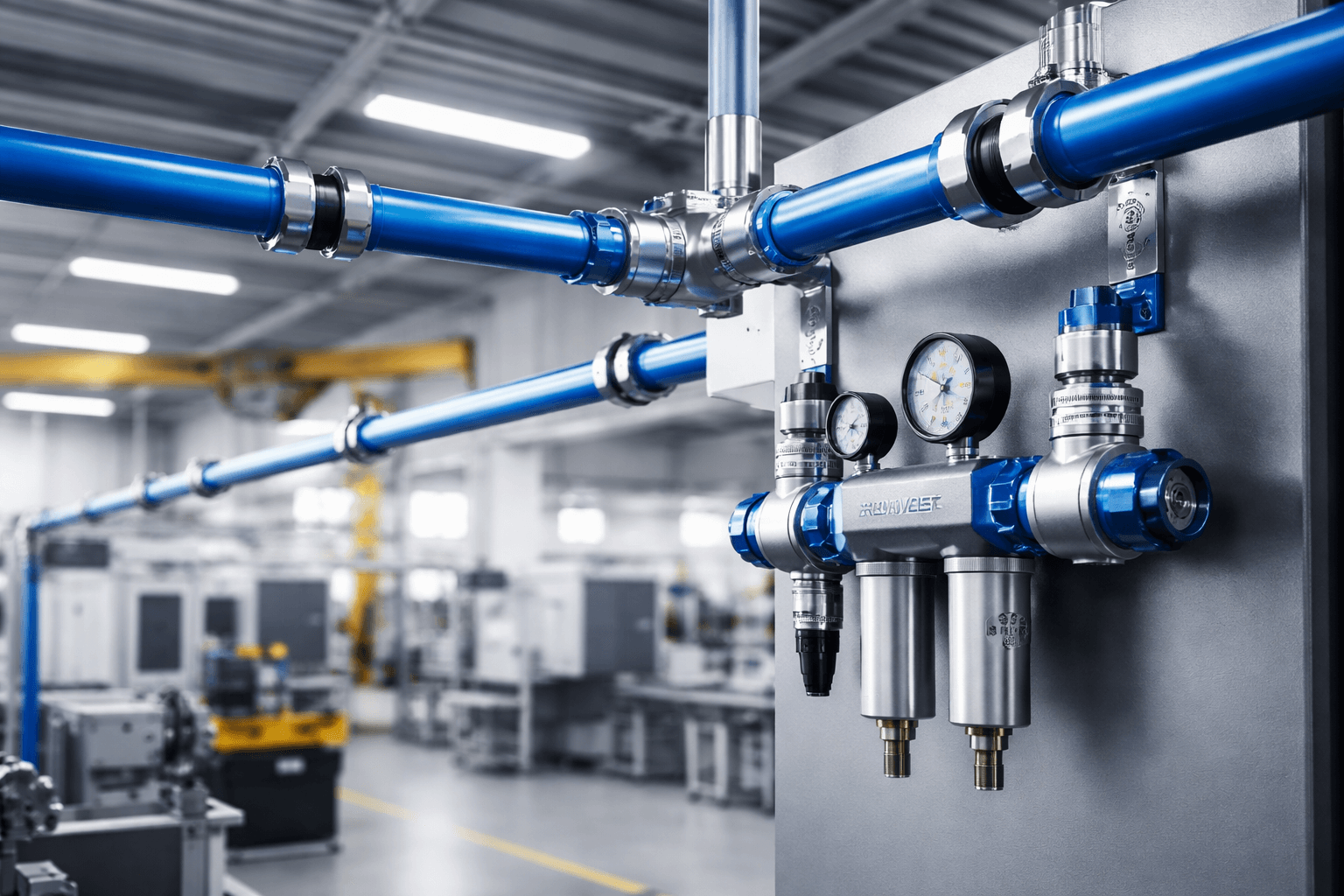
Why Prevost Air Piping Systems Lead the Industry
Discover why Prevost Air Piping Systems are considered industry leading in industrial air piping systems. Learn how their modular design, efficiency, and durability reduce costs and improve performance.
Advanced Design for Industrial Air Piping Systems
When performance, reliability, and installation speed matter, Prevost Air Piping Systems consistently stand out. Designed specifically for industrial compressed air distribution, these systems combine engineering precision with long-term durability.
Engineered for Performance
Prevost systems are built using high-quality aluminum pipes that offer:
Corrosion resistance
Lightweight handling
Smooth internal surfaces for optimized airflow
Reduced pressure drop across the network
This ensures stable air pressure, which is critical for manufacturing lines, workshops, and automated facilities.
Modular & Scalable Installation
Unlike traditional steel piping, Prevost uses a modular system with quick-connect fittings. This design:
Reduces installation time
Minimizes production downtime
Allows easy system expansion
Requires no welding
For facilities planning future growth, scalability is a major competitive advantage.
Energy Efficiency & Cost Savings
Energy loss in compressed air systems is a hidden cost. Prevost piping is designed to:
Prevent leaks with secure sealing technology
Maintain consistent pressure
Improve overall compressor efficiency
Lower pressure drops mean compressors don’t need to work as hard, reducing electricity consumption and operational expenses.
Why Industries Trust Prevost Air Systems
Reliable in Demanding Environments
Industrial environments expose piping systems to:
Temperature fluctuations
High pressure
Mechanical vibration
Moisture and contaminants
Prevost aluminum piping resists corrosion and maintains structural integrity even under demanding conditions, making it suitable for automotive, food processing, manufacturing, and heavy industry sectors.
Clean Air Distribution
For industries requiring clean compressed air, smooth internal pipe surfaces reduce contamination risks and limit particle buildup. This is especially important in:
Pharmaceutical facilities
Food and beverage production
Electronics manufacturing
Long-Term ROI
Investing in a premium industrial air piping system delivers measurable returns:
Reduced maintenance costs
Lower downtime
Extended system lifespan
Higher operational efficiency
The combination of durability, efficiency, and flexibility positions Prevost as a leading solution in the global compressed air market.
Frequently Asked Questions (FAQ)
1. What makes Prevost air piping systems better than steel piping?
Prevost aluminum systems are lighter, corrosion-resistant, faster to install, and provide better airflow with lower pressure drop compared to traditional steel piping.
2. Are Prevost air piping systems suitable for large factories?
Yes. The modular design allows easy expansion, making them ideal for both small workshops and large industrial facilities.
3. Do Prevost systems help reduce energy costs?
Yes. Their leak-proof fittings and smooth airflow design reduce pressure loss, improving compressor efficiency and lowering electricity consumption.
4. Can the system be modified after installation?
Absolutely. One of the main advantages is the quick-connect modular design, allowing easy modifications or expansions without major downtime.
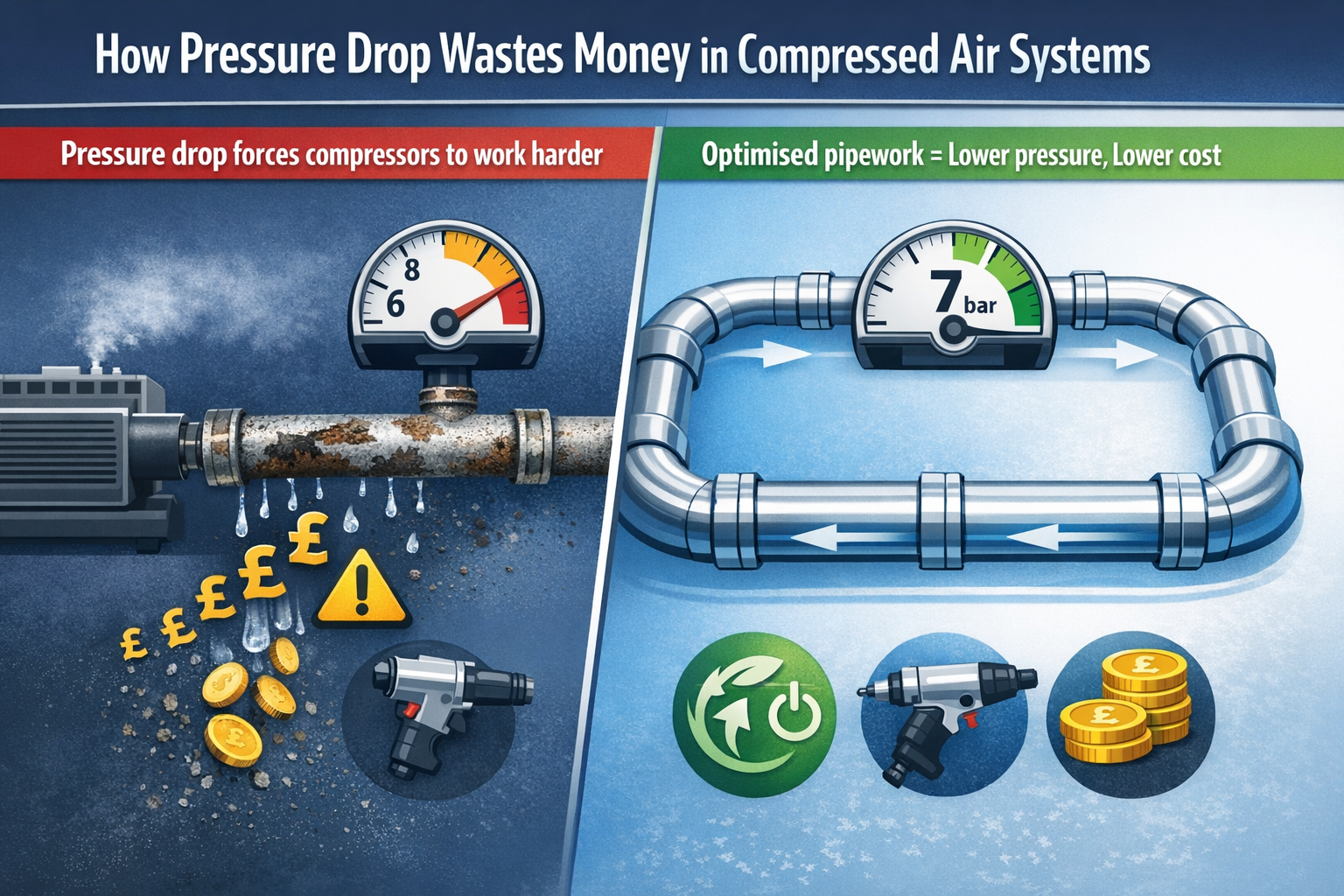
Compressed Air Pressure Drop: The Hidden Cost Draining UK Industrial Businesses
What Is Pressure Drop in a Compressed Air System?
Pressure drop occurs when compressed air loses pressure between the compressor and the point of use.
In industrial environments, this is commonly caused by:
Undersized or outdated compressed air pipework
Corroded steel pipes restricting airflow
Poor system layout with excessive bends and restrictions
Incorrect fittings, couplings, and connectors
High-demand tools operating at the end of long pipe runs
When pressure drops, businesses compensate by turning the pressure up — forcing the compressor to work harder than necessary.
How Pressure Drop Increases Energy and Running Costs
For every 1 bar increase in system pressure, energy consumption rises by approximately 7%.
That means:
Higher electricity bills
Increased compressor run hours
More frequent servicing and breakdowns
Reduced lifespan of compressors and tools
Many UK businesses assume their compressor is underpowered, when in reality the compressed air system design is the real issue.
Why Most Industrial Sites Never Fix the Root Cause
Traditional air compressor suppliers focus on selling machines — not optimising the entire system.
Pipework, air distribution, and demand profiling are often overlooked, leading to oversized compressors, wasted energy, and ongoing performance issues.
Air Demand takes a different approach.
How Air Demand Improves Compressed Air Efficiency
We start by understanding air demand, not just compressor size.
Our solutions typically include:
✔ Optimised Compressed Air Pipework
We supply and install modern galvanised and aluminium pipe systems that reduce friction, prevent internal corrosion, and maintain consistent pressure across your site.
✔ Smarter System Design
Correct pipe sizing, ring mains, efficient routing, and properly positioned drops ensure air reaches tools without unnecessary pressure loss.
✔ Correct Compressor Matching
We ensure your air compressor matches real demand — avoiding oversizing, excessive cycling, and wasted energy.
✔ Long-Term Cost Reduction
Lower operating pressure, reduced energy usage, fewer breakdowns, and predictable performance.
The Commercial Benefits of Fixing Pressure Drop
Businesses that address pressure drop in their compressed air systems often achieve:
Immediate improvement in tool performance
Reduced system pressure by 0.5–1 bar
Lower energy costs
Extended compressor lifespan
Avoided capital spend on unnecessary upgrades
All without replacing the compressor.
Industrial Compressed Air Solutions That Make Sense
If your tools feel underpowered, operators keep adjusting pressure, or energy bills continue to rise, pressure drop is likely costing your business more than you realise.
Air Demand Ltd provides practical, system-wide compressed air solutions for UK industrial businesses — focused on efficiency, reliability, and long-term savings.
Smarter air. Lower costs. Better performance.
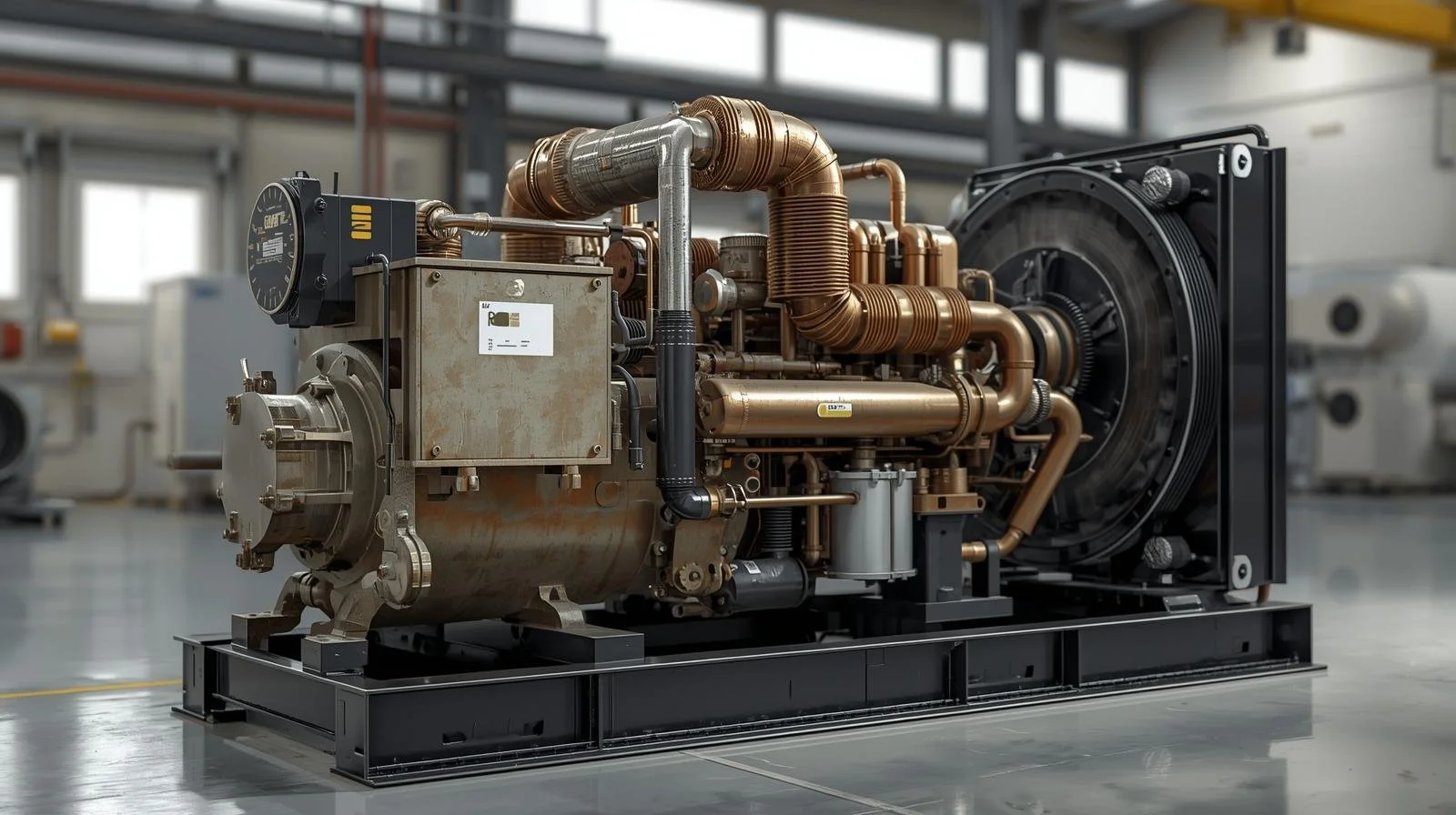
oil lubricated rotary screw air compressor for industry
oil lubricated rotary screw air compressor
Running a busy workshop or factory comes with its fair share of challenges, but one of the biggest headaches is unreliable compressed air. Machines that falter mid-shift can cost time, money, and frustration. That’s why so many professionals are turning to the oil lubricated rotary screw air compressor, a powerhouse designed to handle heavy workloads continuously while reducing maintenance stress. At AirDemand, our EG Series delivers the perfect blend of durability, efficiency, and reliability, helping your operations run smoother every day.
Why Oil Lubricated Screw Compressors Are a Game-Changer
How Does an Oil Lubricated Rotary Screw Air Compressor Work?
An oil lubricated rotary screw air compressor may sound technical, but it’s brilliantly simple in operation. The compressor uses two interlocking screws, called rotors, to compress air. Oil circulates through the system, providing three key benefits: lubrication, cooling, and sealing. This makes the compressor highly efficient and long-lasting, especially in environments where it’s running constantly.
Compared to oil-free models, oil lubricated screw compressors are much more robust. They maintain airflow and pressure under heavy loads, making them ideal for workshops, manufacturing plants, and large industrial facilities. The EG Series even uses ELGi’s η-V airends and advanced OSBIC oil separation, reducing oil carryover while increasing efficiency.
ELGi EG Series screw air compressors
Benefits You’ll See in Your Workshop
Investing in an oil lubricated screw air compressor has tangible benefits:
High Efficiency: Advanced motor and airend designs reduce electricity consumption.
Long-Lasting Durability: Continuous lubrication prevents wear on critical components.
Low Maintenance: The OSBIC oil separation system simplifies upkeep.
Reliable Performance: Delivers consistent air pressure even during long operations.
Reduced Noise: Modern designs ensure quieter operation compared to older screw compressors.
Cost Savings: Less downtime and energy consumption translate to reduced operational costs.
For businesses running multiple machines or heavy-duty equipment, an oil lubricated screw air compressor isn’t just convenient, it’s a vital investment.
Choosing the Right Oil Lubricated Screw Compressor
Match Your Air Needs to the Right Model
Not all compressors are created equal. When choosing an oil lubricated rotary screw air compressor, consider:
Air volume requirements: How many cubic feet per minute (CFM) do your tools need?
Operating hours: Will the compressor run 24/7 or only part-time?
Physical space: Do you have room for a larger stationary unit, or do you need a compact model?
The EG Series from AirDemand offers multiple models to suit different needs, from workshops to industrial facilities. Each is engineered for reliability and energy efficiency, making it easier for you to find the perfect match for your business.
Maintenance Tips for Long-Term Reliability
Even the best oil lubricated screw compressors benefit from a little TLC:
Regular Oil Changes: Follow the manufacturer’s schedule to keep the system lubricated.
Temperature Control: Ensure your compressor is in a well-ventilated area to prevent overheating.
Filter Checks: Clean or replace air and oil filters to maintain efficiency.
Inspect Hoses and Fittings: Prevent leaks that could reduce performance.
Proper maintenance not only prolongs the life of your oil lubricated rotary screw air compressor but also ensures your team can rely on it day in and day out.
Applications for Oil Lubricated Screw Air Compressors
Oil lubricated screw compressors are versatile and used across many industries:
Automotive repair and service shops
Manufacturing and assembly lines
Food and beverage production
Textile and garment factories
Pharmaceutical facilities
Large-scale construction projects
Wherever continuous, reliable compressed air is required, an oil lubricated screw air compressor is a smart choice. Its ability to operate without frequent stops or maintenance makes it indispensable for high-demand environments.
Why Choose AirDemand for Your Compressor
At AirDemand, we don’t just sell compressors, we help you find the right solution for your specific needs. Our EG Series oil lubricated screw compressors are selected for their durability, energy efficiency, and low cost of ownership. We provide guidance to ensure you choose the right model and support you throughout your compressor’s lifespan.
Check out the EG Series here: AirDemand EG Series
Frequently Asked Questions
1. What is an oil lubricated rotary screw air compressor?
It’s a compressor that uses interlocking screws and oil for compression, lubrication, and cooling. ideal for continuous industrial use.
2. How does it differ from oil-free compressors?
Oil-lubricated models are more durable and efficient under heavy loads. Oil-free compressors are quieter and cleaner but less suitable for continuous, high-volume use.
3. What maintenance is required?
Regular oil changes, filter inspections, and hose checks are key to keeping your compressor in top shape.
4. Are these compressors energy-efficient?
Yes. Modern designs like the EG Series focus on reducing energy use while maintaining consistent output.
5. Can they be used in small workshops?
Absolutely, just choose a model that matches your air volume needs.
6. How long do these compressors last?
With proper maintenance, an oil lubricated screw air compressor can last 15 years or more.
7. Are they noisy?
They are quieter than older models, though generally louder than small oil-free units.
8. Where can I purchase one?
You can explore and order directly from AirDemand: EG Series Compressors
A reliable oil lubricated rotary screw air compressor is more than just a piece of machinery, it’s the heartbeat of your workshop or factory. The EG Series from AirDemand combines efficiency, durability, and low maintenance to give you the performance your business needs. With proper care, these compressors provide years of uninterrupted service, helping you focus on what really matters: keeping your operations running smoothly.
Ready to upgrade your compressed air system? Explore the EG Series now and see how it can transform your workshop today!
Nuair Air Compressor: The Smartest Investment for Your Workshop
nuair air compressor
When it comes to keeping your workshop or industrial facility running smoothly, few tools are as crucial as a reliable Nuair air compressor. Whether you’re powering pneumatic tools, filling tyres, or running production machinery, a high-quality air compressor can save you time, reduce operational headaches, and even lower energy costs. But are Nuair air compressors any good? Let’s dive in and explore why they’re trusted by professionals across the UK.
What Makes a Nuair Air Compressor Stand Out?
A Nuair air compressor is engineered with precision, durability, and energy efficiency in mind. Unlike generic models, these compressors are built to handle continuous use without frequent breakdowns. Whether you’re looking for a compact solution for your workshop or a larger model for industrial purposes, Nuair has a machine designed to meet your needs.
Nuair compressors come in both piston and rotary screw designs, including the popular oil-lubricated models like the EG Series we stock at AirDemand. These compressors feature advanced motor and cooling systems, ensuring reliable operation and long service life. The combination of energy efficiency and robust construction makes Nuair air compressors a smart choice for professionals who demand consistent performance.
Key Benefits of Choosing Nuair
Reliability: Built to withstand heavy-duty applications.
Energy Efficiency: Designed to minimise electricity usage.
Low Maintenance: Durable components and easy-to-service design.
Versatility: Suitable for automotive, industrial, and commercial applications.
Quiet Operation: Advanced design reduces noise during operation.
When you choose a Nuair air compressor, you’re investing in equipment that will keep your business running smoothly, day after day.
Are Nuair Air Compressors Any Good?
Many business owners ask, “Are Nuair air compressors any good?” The short answer is yes. Nuair has a strong reputation in the UK and Europe for producing reliable, energy-efficient compressors that last. From workshops to large manufacturing facilities, these machines provide consistent airflow and pressure, ensuring that your operations never have to pause due to equipment failure.
The EG Series of oil-lubricated rotary screw compressors we offer at AirDemand is a prime example. These units combine ELGi’s η-V airends with a unique OSBIC oil separation system, advanced intake valves, and next-generation cooling systems. The result is a compressor that’s not only efficient but also built to last, with low total cost of ownership.
Why Professionals Trust Nuair
Continuous, reliable airflow for demanding tasks
Easy integration with workshop setups and pneumatic systems
Reduced operational costs due to energy efficiency
Durable construction ensures minimal downtime
For anyone asking whether Nuair air compressors are any good, the answer is reinforced by their widespread use in workshops, factories, and service centres across the UK.
Choosing the Right Nuair Air Compressor
Selecting the right Nuair air compressor depends on your specific requirements:
Air Volume: Determine how many cubic feet per minute (CFM) your equipment needs.
Operating Hours: Are you running the compressor continuously, or just intermittently?
Power Source: Decide between electric or diesel models based on your workspace setup.
Space Considerations: Ensure the compressor fits comfortably in your workshop or facility.
Our EG Series oil-lubricated screw compressors are ideal for businesses requiring continuous high-volume air. With models to suit different capacities, they’re engineered to meet demanding industrial needs while maintaining energy efficiency.
Tips for Long-Term Maintenance
Even the best Nuair air compressors need proper maintenance:
Regular Oil Checks: Keep your oil-lubricated models topped up to avoid wear.
Filter Replacements: Maintain air quality and efficiency.
Temperature Monitoring: Ensure compressors have adequate ventilation.
Inspect Hoses and Connections: Avoid leaks that reduce performance.
With proper care, your Nuair air compressor can provide years of dependable service, making it a long-term investment in your business efficiency.
Applications for Nuair Air Compressors
Nuair air compressors are incredibly versatile. Industries and applications include:
Automotive repair and service workshops
Industrial manufacturing plants
Food and beverage production lines
Construction sites
Textile and garment factories
Pharmaceutical facilities
Anywhere reliable compressed air is needed, a Nuair air compressor can provide the consistent performance necessary to keep operations running smoothly.
At Air Demand, we stock a variety of Nuair compressors, including the EG Series oil-lubricated screw compressors. Our team can guide you in choosing the right model for your workshop or industrial facility.
Check out the full range here: EG Series Nuair Compressors
FAQs About Nuair Air Compressors
1. What is a Nuair air compressor?
A high-quality compressor designed for workshops and industrial use, available in piston and rotary screw models.
2. Are Nuair air compressors any good?
Yes. They are widely trusted for reliability, efficiency, and low maintenance requirements.
3. What is the difference between oil-lubricated and oil-free Nuair compressors?
Oil-lubricated models offer continuous high-volume airflow and durability, while oil-free models are quieter and cleaner for sensitive applications.
4. How often should I service a Nuair air compressor?
Regular oil checks, filter replacements, and inspections every few months ensure longevity and efficiency.
5. Can Nuair compressors handle continuous operation?
Yes. The EG Series, for example, is designed for uninterrupted industrial use.
6. How energy-efficient are Nuair compressors?
Very. They feature advanced airend and cooling technologies to reduce electricity consumption.
7. Can I use a Nuair air compressor in a small workshop?
Absolutely. Choose the right capacity model to suit your air volume needs.
8. Where can I buy a Nuair air compressor?
AirDemand stocks a full range of Nuair compressors: EG Series Nuair Compressors
If you’re serious about keeping your workshop or industrial operation running efficiently, investing in a Nuair air compressor is a smart choice. Their reputation for reliability, energy efficiency, and durability makes them one of the most trusted brands in the UK.
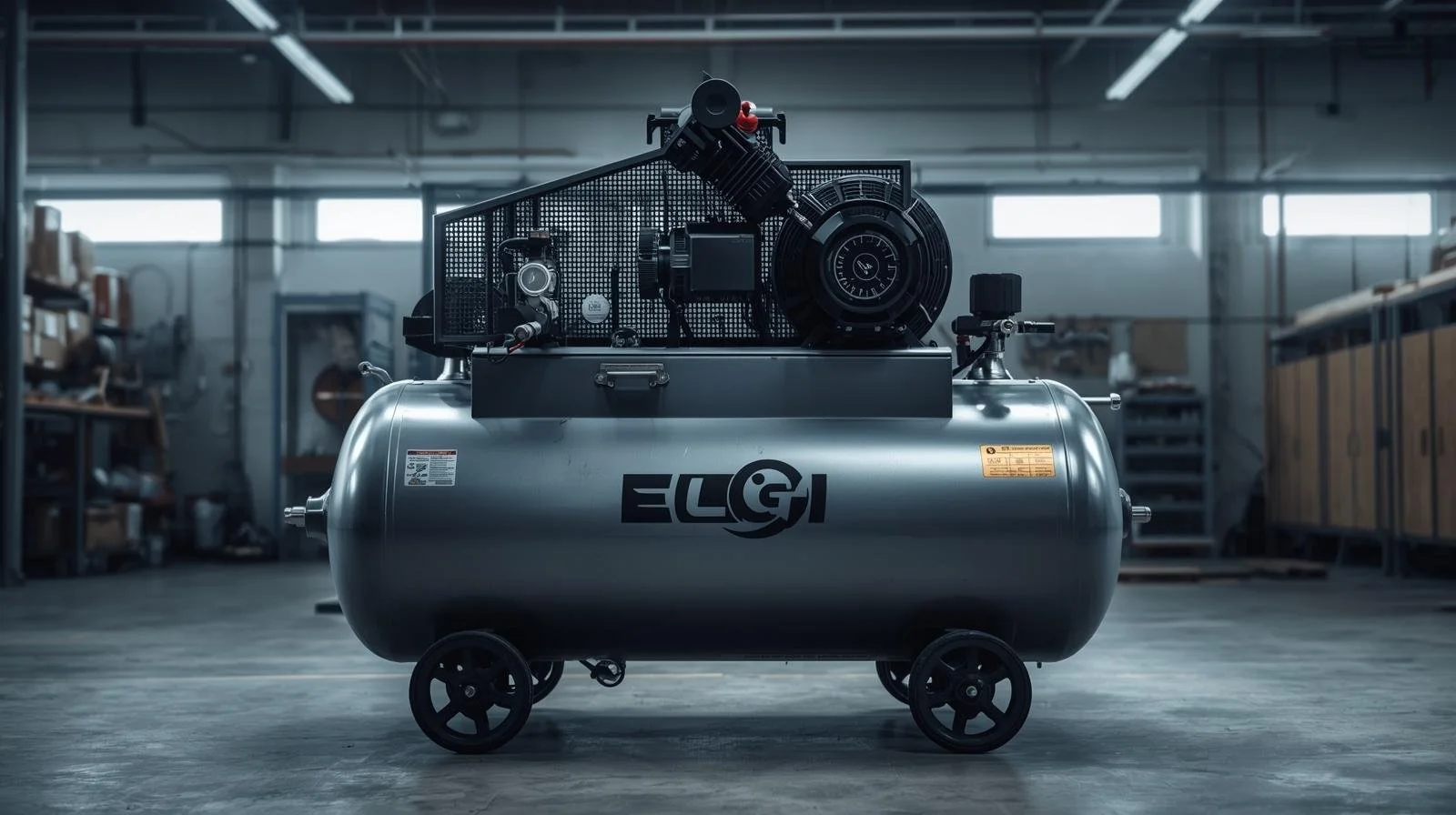
Industrial Elgi Air Compressors
Industrial Elgi Air Compressors deliver powerful, energy-efficient compressed air solutions, ideal for factories, workshops, and heavy-duty industrial use.
Industrial Elgi Air Compressors: Efficient and Durable Solutions
Choosing the right industrial compressor is crucial for any workshop or production environment. Industrial Elgi Air Compressors available on Air Demand provide a balance of reliability, energy efficiency, and long-term performance. Designed for continuous operation, these compressors ensure stable airflow, clean output, and minimal maintenance, making them an ideal choice for businesses that depend on a consistent compressed air supply.
What Are Industrial Elgi Air Compressors?
Industrial Elgi Air Compressors, particularly the EG Series, are oil-lubricated piston compressors engineered for high performance and durability. According to the Air Demand product page, these compressors deliver reliable air output, are easy to maintain, and offer efficient operation. Their robust construction ensures long service life, making them suitable for workshops, manufacturing plants, and heavy-duty industrial applications.
Key Features of EG Series Compressors
Oil-Lubricated Design: Ensures smooth operation and reduces wear on moving parts.
High Efficiency: Optimized for energy savings while maintaining stable airflow.
Durable Build: Robust materials and precision engineering guarantee reliability over years of use.
Low Maintenance: Easy access to key components helps reduce downtime and servicing costs.
Why Choose ELGI Compressed Air Products
ELGI Compressed Air Products are trusted worldwide for their consistent performance and low total cost of ownership. Choosing genuine ELGI products means you get compressors designed for maximum efficiency, reduced energy consumption, and reliable operation. The EG Series, in particular, is highlighted on Air Demand for its balance of power and durability, suitable for both small workshops and industrial facilities with higher demand.
Benefits of ELGI Compressed Air Products
Energy Efficiency: Optimized piston mechanisms reduce power usage while maintaining performance.
Longevity: High-quality materials and precise engineering extend the life of the compressor.
Versatility: Suitable for a wide range of applications, from workshops to industrial plants.
Support and Service: Purchasing through Air Demand ensures access to technical advice and genuine spare parts.
Comparing Industrial Elgi Air Compressors to Other Options
Air Demand offers a variety of compressed air solutions, but Industrial Elgi Air Compressors stand out due to their combination of reliability and energy efficiency. While other piston compressors may suffice for light or occasional use, the EG Series is designed for continuous operation, making it ideal for businesses with steady compressed air requirements. Air Demand shop provides easy navigation to compare different models and select the right compressor based on your operational needs.
When to Choose an EG Series Compressor
Continuous heavy-duty operations that require reliable air supply.
Workshops and plants where energy efficiency and low maintenance are priorities.
Facilities that need access to genuine ELGI spare parts and technical support.
Maintenance Tips for Industrial Elgi Air Compressors
Proper maintenance ensures that your EG Series compressor continues to operate efficiently over its lifetime. According to Air Demand, regular checks of oil levels, filters, and pressure systems can prevent downtime and costly repairs. Using genuine ELGI Compressed Air Products for replacement parts further guarantees compatibility and optimal performance.
Recommended Maintenance Practices
Check and replace oil regularly to ensure smooth operation.
Inspect air filters and clean or replace as needed to maintain clean output.
Monitor pressure and temperature levels to prevent overheating or wear.
Schedule periodic servicing to replace worn components with genuine ELGI parts.
Frequently Asked Questions
1. What makes Industrial Elgi Air Compressors different from other piston compressors?
They combine high durability, energy efficiency, and low maintenance, making them suitable for continuous operation in industrial settings.
2. Where can I buy EG Series compressors?
You can purchase them directly from the Air Demand shop.
3. Are ELGI Compressed Air Products energy-efficient?
Yes, they are designed to reduce power consumption while delivering stable and reliable airflow.
4. How often should I service an EG Series compressor?
Regularly check oil and filters, and perform full servicing according to usage frequency to ensure long-term reliability.
5. Can EG Series compressors handle continuous industrial use?
Yes, they are built for continuous heavy-duty operations, making them ideal for workshops and manufacturing facilities.
6. Is technical support available for Industrial Elgi Air Compressors?
Yes, purchasing through Air Demand ensures access to technical advice and genuine spare parts.
7. Are these compressors suitable for small workshops?
Absolutely, the EG Series is versatile enough for small workshops and can scale up to larger industrial requirements.
8. Why should I use genuine ELGI Compressed Air Products for parts?
Using genuine parts guarantees compatibility, optimal performance, and extends the life of your compressor.
How to Choose the Right Industrial Air Compressor for Your Business
Compressed air is the backbone of many industrial operations, from small workshops to large manufacturing plants. Choosing the right air compressor ensures reliability, efficiency, and cost savings. In this guide, we explore the key factors to consider when selecting an industrial air compressor.
1. Understanding Your Air Requirements
Assess the volume of air your operations need (CFM – cubic feet per minute).
Consider operating pressure (PSI) requirements.
Evaluate duty cycles and continuous vs intermittent use.
2. Types of Air Compressors
Rotary Screw Compressors: Efficient for continuous operation, ideal for large-scale industries.
Piston (Reciprocating) Compressors: Perfect for workshops or intermittent usage.
Oil-Free Compressors: Essential where clean air is critical (food, pharmaceuticals).
Oil-Lubricated Compressors: Robust, longer lifespan, suitable for heavy-duty operations.
3. Energy Efficiency Matters
Energy-efficient compressors reduce electricity costs.
Modern rotary screw compressors offer variable speed drives for maximum efficiency.
4. Maintenance and After-Sales Support
Regular maintenance extends compressor lifespan.
Choose a distributor offering comprehensive after-sales support and service contracts.
5. Pneumatic Tools Compatibility
Ensure your air system supports the tools you use.
Consider pressure, airflow, and duty cycle for optimal performance.
Conclusion:
Selecting the right industrial air compressor is critical for productivity, cost efficiency, and long-term reliability. Partnering with an experienced distributor, like Air Demand Ltd, ensures you get tailored solutions, premium equipment, and expert guidance to meet your business needs.
Optional FAQ Section:
Q1: How do I know what size air compressor I need?
A: Calculate your total CFM requirements based on all tools and machinery that will run simultaneously, plus a safety margin.
Q2: What is the difference between oil-free and oil-lubricated compressors?
A: Oil-free compressors provide clean air for sensitive applications, while oil-lubricated units are more durable and suitable for heavy industrial use.
Q3: How often should an industrial air compressor be serviced?
A: Typically, routine maintenance is recommended every 3–6 months, but it depends on usage and the type of compressor.
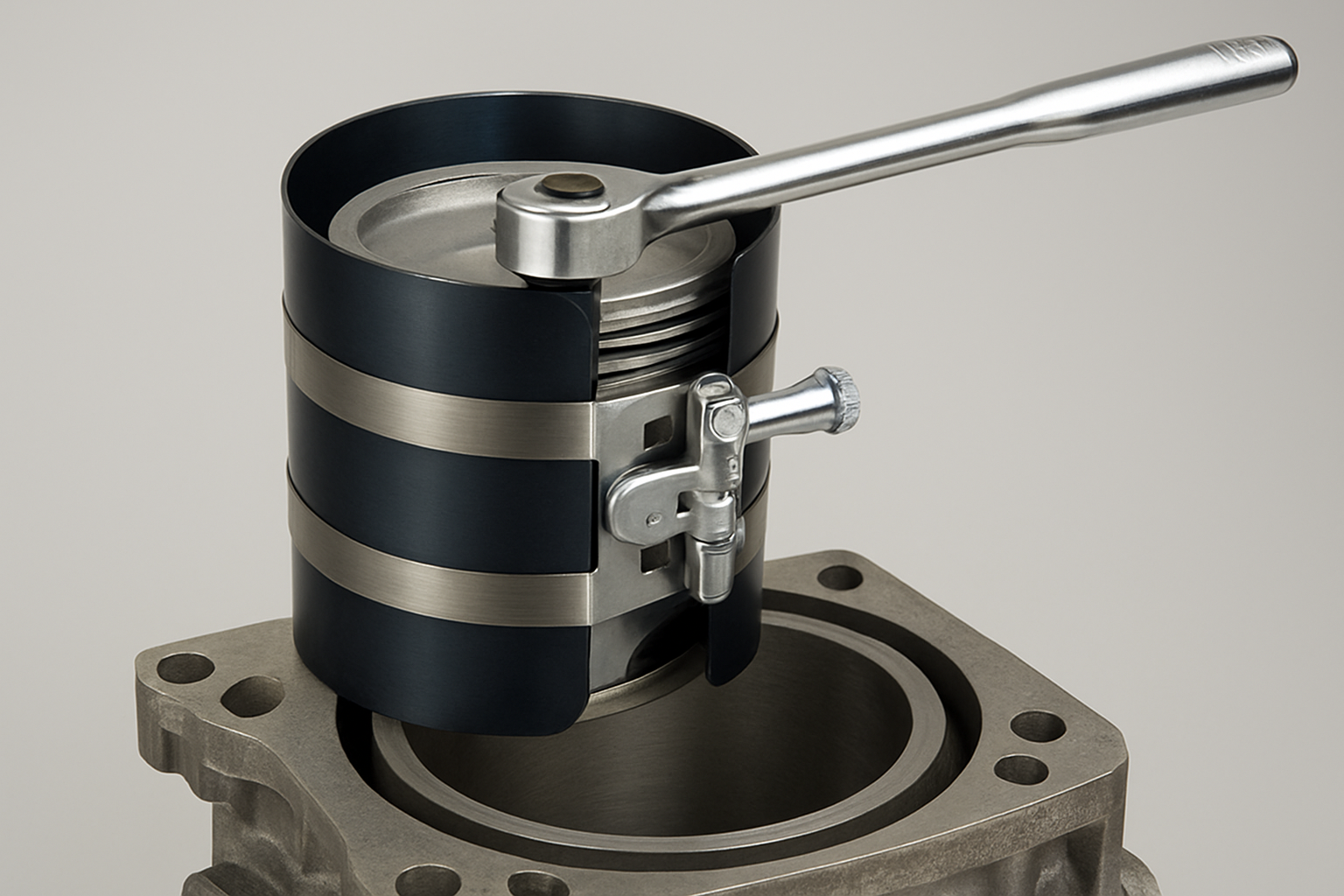
Piston Ring Compressor: A Key Tool for Safe Engine Assembly
Piston Ring Compressor
A piston ring compressor is an essential tool in engine rebuilding and automotive repair. Whether you’re working on a car, motorcycle, or industrial engine, this simple tool ensures that the piston and piston rings are installed safely into the cylinder without causing mechanical damage.
This article explains what a piston ring compressor is, how it works, its types, and why it is a must-have tool for any mechanic or engine builder.
What Is a Piston Ring Compressor?
A piston ring compressor is a specialized tool designed to compress the piston rings tightly around the piston so it can be inserted smoothly into the engine cylinder.
Without this tool, installing the piston becomes difficult and risky, potentially leading to:
Cracked or broken piston rings
Scratched cylinder walls
Poor engine compression
Reduced engine lifespan
The tool ensures even pressure around the piston rings, allowing the piston to slide into the cylinder effortlessly and safely.
How Does a Piston Ring Compressor Work?
The operation of a piston ring compressor is simple but essential for accuracy and safety:
Place the compressor around the piston, ensuring all rings are fully covered.
Tighten the tool using the integrated key or ratchet until the rings are firmly compressed.
Align the piston with the cylinder so it sits perfectly straight.
Tap the piston lightly using a soft mallet or wooden handle until it slides into the cylinder bore.
The compressor keeps the rings compressed long enough for the piston to be properly inserted without damage.
Types of Piston Ring Compressors
There are several types of piston ring compressors used in different mechanical applications:
1. Adjustable Band Compressors
The most common type, featuring a flexible metal band that tightens around the piston.
Advantages:
Fits many piston sizes
Easy to use
Affordable and widely available
2. Tapered Ring Compressors
A professional-grade conical tool that compresses the rings as the piston slides through it.
Advantages:
Provides perfectly even pressure
Ideal for precision engine work
Drawback:Each cylinder size requires a different tool
3. Ratcheting Compressors
These use a ratchet mechanism for powerful and controlled tightening.
Advantages:
Offers strong and uniform compression
Suitable for larger or high-performance pistons
Why a Piston Ring Compressor Is Important
Using a piston ring compressor ensures:
Safe and damage-free piston installation
Consistent compression pressure for better engine performance
Reduced risk of ring breakage or cylinder scoring
Faster and more efficient engine assembly
Regardless of engine size, this tool plays a critical role in maintaining engine integrity and long-term reliability.
Where Piston Ring Compressors Are Commonly Used
You’ll find piston ring compressors used in:
Automotive workshops
Motorcycle and small engine repair
Heavy machinery maintenance
Engine rebuilding facilities
DIY mechanical projects
Any application involving piston installation benefits from this essential tool.
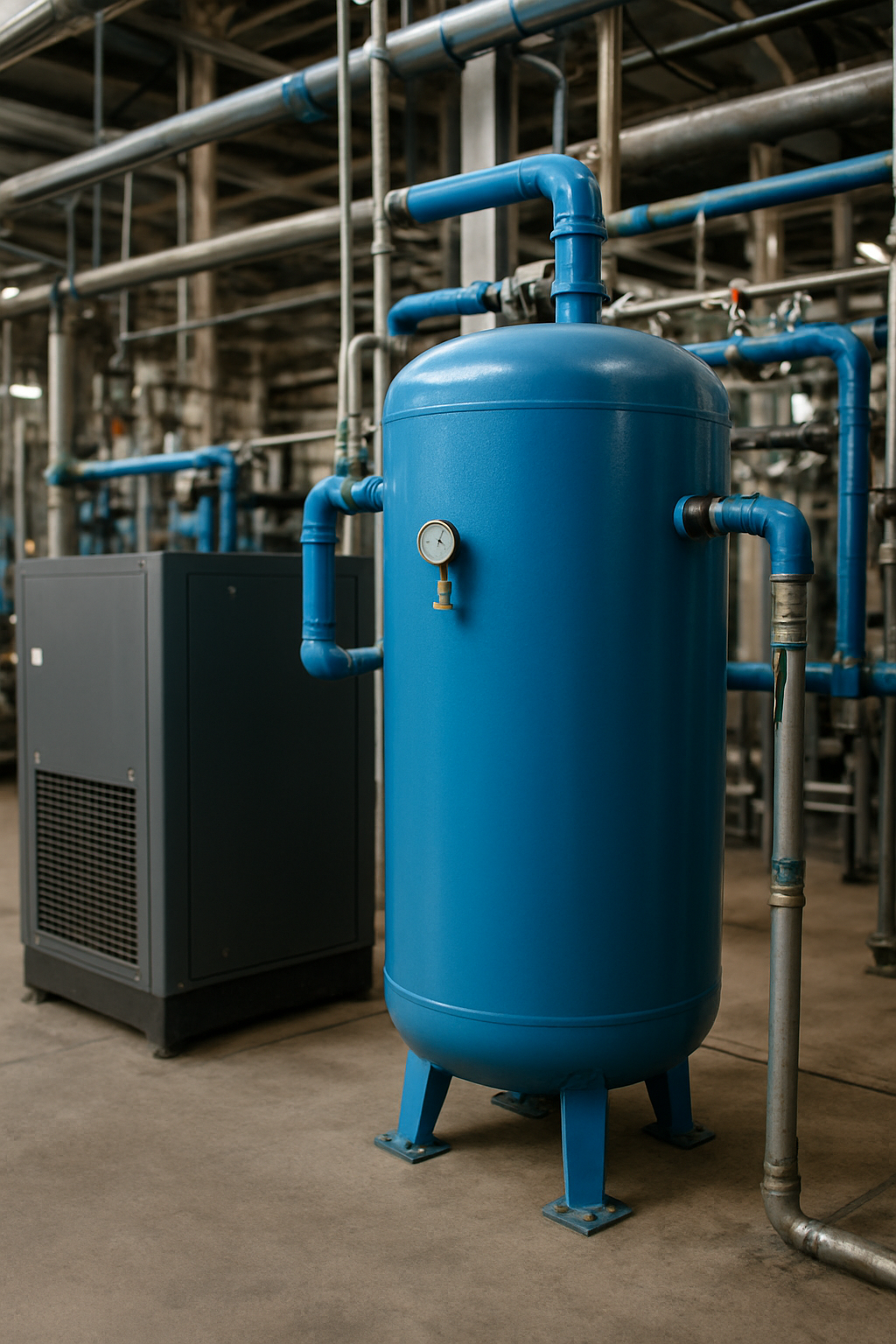
Why Your Air System Needs a Compressed Air Receiver Tank
Compressed air is the backbone of countless industrial applications — from manufacturing and workshops to automation and assembly lines. While the air compressor often gets all the attention, there is another component that quietly plays a crucial role in system performance: the Compressed Air Receiver.
In this article, we’ll explain what an air receiver is, why it is essential for every compressed air system, and how choosing the right receiver tank can significantly increase efficiency, stability, and safety across your operations.
What Is a Compressed Air Receiver?
A Compressed Air Receiver (also known as an air tank or air storage vessel) is a pressure-rated container designed to:
Store compressed air
Stabilise system pressure
Provide extra capacity during peak demand
Reduce compressor cycling
Improve overall system efficiency
Instead of allowing the compressor to run continuously during pressure fluctuations, the receiver acts as a buffer — storing air when demand is low and releasing it when demand increases.
Why an Air Receiver Is Important for Your System
1. Stabilises Air Pressure
Air demand fluctuates throughout the day. Without a receiver, pressure drops can occur, affecting tool performance and product quality.
The air receiver stores excess compressed air and delivers it instantly during spikes in demand, ensuring stable pressure across the system.
2. Reduces Compressor Cycling
Frequent start-stop cycles place strain on the compressor motor and increase wear.
An air receiver reduces the number of cycles by supplying air during short bursts of demand, allowing the compressor to run more efficiently and with less mechanical stress.
3. Increases Energy Efficiency
Starting a compressor consumes significantly more energy than running steadily.
By reducing start-up cycles and maintaining smoother operation, an air receiver helps lower energy consumption and operational costs.
4. Improves Air Quality and Reduces Moisture
As air cools inside the receiver, moisture naturally condenses and can be drained out.
This removes water from the system before it reaches tools, valves, and downstream equipment — preventing corrosion and extending equipment life.
5. Protects the Air System from Pressure Surges
Air receivers absorb sudden high-demand bursts, preventing pressure shocks that can damage sensitive components and shorten the lifespan of air-powered tools.
Types of Air Receiver Tanks
Depending on available space and system requirements, air receivers typically come in two main styles:
• Vertical Air Receivers
Space-saving
Easier to drain moisture
Suitable for workshops and limited floor areas
• Horizontal Air Receivers
Often paired with compressors
Ideal for large-scale industrial systems
Stable and easy to install in open spaces
Both types serve the same purpose — choosing between them depends on your space, layout, and accessibility needs.
How to Choose the Right Air Receiver Size
Selecting the correct size is critical for maximum performance. Consider:
1. Compressor Capacity (CFM)
A common rule of thumb:
Receiver volume (litres) = 6–10 times the compressor’s free air delivery.
2. Working Pressure
Always ensure the receiver is pressure-rated to handle your compressor’s maximum system pressure.
3. Application Type
High-demand applications → Larger tanks
Steady, low-variation systems → Standard size tanks
4. Space Availability
Vertical tanks are ideal when floor space is limited.
Where Air Receivers Are Commonly Used
You will find air receivers in almost every industry, including:
Manufacturing plants
Metal workshops
Automotive repair centres
Packaging lines
Food & beverage processing
Energy and process industries
Construction and pneumatic tool operations
Any application with fluctuating air demand benefits significantly from a receiver tank.
Why Choose Air Receivers from Air Demand UK?
At AirDemand.co.uk, you’ll find high-quality, durable compressed air receivers suitable for a wide range of industrial applications. Our tanks are:
Pressure-rated and built to industry standards
Available in multiple sizes and orientations
Designed for efficiency, safety, and long-term reliability
Suitable for compressors of all brands
By pairing your compressor with the right air receiver, you’ll experience smoother operation, reduced energy costs, and longer equipment life.
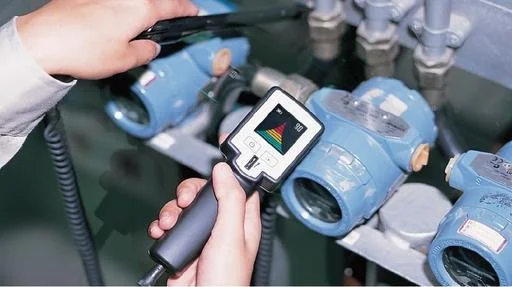
Preventing Air Leaks
Preventing Air Leaks: Why Regular Maintenance Is Key to Avoiding Costly Downtime
By Jason Smith, Engineering Director - Air Demand Ltd
As someone who has spent over 20 years working hands-on with air compressors and pneumatic systems, I’ve seen firsthand how much of a silent profit killer air leaks can be. Many businesses underestimate just how much energy and money are lost every year through poorly maintained systems — not to mention the production downtime and stress they cause when they lead to pressure drops or equipment failures.
At Air Demand Ltd, we help companies across Yorkshire identify and eliminate leaks before they become expensive problems. In this post, I’ll explain why air leaks happen, how to spot them early, and why ongoing maintenance is the most cost-effective strategy to keep your systems efficient and reliable.
The Hidden Cost of Air Leaks
Compressed air is one of the most expensive utilities in any industrial environment — and leaks waste a surprising amount of it. A single 3mm leak can cost hundreds of pounds per year in wasted electricity.
When your system has multiple leaks, compressors have to run longer to maintain pressure, consuming more energy and putting extra strain on components. Over time, that stress leads to more breakdowns, shorter compressor life, and unexpected downtime that halts production.
💡 In short: air leaks don’t just waste air — they waste money, energy, and productivity.
Why Leaks Occur
Air leaks are common in almost every facility, but they’re usually the result of:
* Worn or cracked hoses and seals
* Loose pipe fittings or joints
* Corrosion in older systems
* Poor installation practices
* Vibration or mechanical movement causing gradual loosening
Even brand-new systems can develop leaks within months if fittings aren’t properly torqued or if pipework isn’t installed correctly.
How to Detect Air Leaks
In my experience, the most effective approach combines routine inspections with professional leak detection equipment.
Here’s what to look (and listen) for:
* Hissing or whistling sounds near fittings, valves, or hoses
* Unexpected compressor cycling (compressor running more often than normal)
* Pressure drops at the point of use
* Reduced performance from pneumatic tools or machinery
At Air Demand, we use our years of experience and tools to check for the smallest of leaks.
Maintenance: The Best Prevention
Routine maintenance is the single most effective way to keep leaks from developing.
That means:
* Checking all fittings, hoses, and couplings during service visits
* Replacing seals and gaskets before they fail
* Cleaning and tightening connections regularly
* Reviewing your compressor’s load/unload cycles to ensure efficiency
A scheduled maintenance plan not only prevents leaks but also helps identify early signs of wear before they turn into costly downtime.
Why Partner with Air Demand Ltd
At Air Demand Ltd, our engineer-led approach means we go beyond basic service - we provide technical insight and proactive system care.
Our services include:
✅ Air Compressor Sales & Installation
✅ Pneumatic Equipment & Parts Supply
✅ Air System Audits & Leak Detection
✅ Preventative Maintenance Contracts
✅ Pipework Design & Installation
We believe maintenance isn’t an expense - it’s an investment in uptime, efficiency, and peace of mind.
Final Thoughts
After a long time in the pneumatic industry, one thing has become clear: companies that take air leaks seriously save more in the long run. They experience fewer breakdowns, better performance, and lower energy bills.
If you haven’t had your system checked recently, now’s the time. A simple inspection could reveal leaks that are quietly costing your business thousands each year.
📞 Contact Air Demand Ltd today for a professional air system health check or leak detection survey.
Visit www.airdemand.co.uk or call us to book your inspection on 07403106325

The Future of the Pneumatic Industry: What’s Ahead in the Next 5 Years and How Air Demand Can Help You Prepare
The pneumatic industry has long been a backbone of various sectors, from manufacturing and automotive to construction and agriculture. As technology continues to evolve, the pneumatic sector is experiencing a wave of change that will have a significant impact on businesses across the globe. In the next five years, we can expect innovations in automation, energy efficiency, regulatory compliance, and worker safety, all of which will reshape the way pneumatic systems are designed, used, and maintained.
At Air Demand, we understand the importance of staying ahead of these developments. Here’s a look at some of the key trends that will define the future of the pneumatic industry and how we can help your company prepare for the upcoming changes.
1. The Rise of Automation and Smart Pneumatics
The trend toward automation in industrial settings is growing rapidly, and the pneumatic industry is no exception. Smart pneumatics, integrated with sensors, IoT (Internet of Things) devices, and predictive analytics, are set to revolutionize the way pneumatic systems operate. These systems can collect data in real time, adjust pressure levels, optimize energy usage, and even predict when maintenance is needed before issues arise.
How Air Demand Can Help: Air Demand is committed to providing cutting-edge pneumatic solutions that incorporate automation and smart technology. Our range of intelligent systems can help your business embrace the future of automation, ensuring smoother operations, reduced downtime, and increased productivity.
2. Stricter Environmental Regulations and Energy Efficiency Standards
As governments across the world impose stricter environmental regulations, businesses are being urged to minimize their carbon footprint and improve energy efficiency. Pneumatic systems, often reliant on compressed air, can be a significant source of energy consumption if not managed properly. In the next five years, we expect regulations to become even more stringent, pushing companies to adopt energy-efficient solutions.
How Air Demand Can Help: At Air Demand, we specialize in energy-efficient pneumatic solutions that help businesses comply with environmental regulations while reducing operational costs. Our expert team can work with you to assess your current systems, identify energy-saving opportunities, and implement solutions that optimize air consumption without compromising performance.
3. Enhanced Worker Safety and Ergonomics
Safety in the workplace will continue to be a top priority in the years to come. As pneumatic systems become more advanced, new safety standards will be introduced to protect workers from accidents related to compressed air and machinery. Additionally, there will be a greater emphasis on ergonomics to reduce the physical strain on employees working with pneumatic tools and equipment.
How Air Demand Can Help: We prioritize worker safety and ergonomics at Air Demand. Our products meet or exceed the latest safety standards, providing you with peace of mind knowing your pneumatic systems are safe for your team to use. We also offer ergonomic solutions designed to reduce strain on workers, enhancing comfort and productivity.
4. Advancements in Materials and Durability
In the next five years, we can expect advancements in materials used in pneumatic systems. The development of more durable, lightweight, and corrosion-resistant materials will extend the lifespan of pneumatic equipment and improve performance. This shift will help businesses reduce maintenance costs and enhance the longevity of their equipment.
How Air Demand Can Help: Air Demand stays ahead of the curve when it comes to material innovation. Our range of high-quality pneumatic components is designed to withstand the harshest environments while maintaining superior performance. By investing in our advanced materials, your company can enjoy long-lasting, reliable pneumatic systems that stand the test of time.
5. Evolving Industry Standards and Compliance
As new technologies emerge, industry standards and regulations will evolve to ensure the safety, sustainability, and efficiency of pneumatic systems. In the coming years, businesses will need to stay on top of these regulatory changes to avoid penalties and maintain their operations smoothly.
How Air Demand Can Help: Navigating evolving industry standards can be complex, but at Air Demand, we are here to guide you. We keep a close eye on emerging regulations and work closely with you to ensure your systems are fully compliant with the latest standards. Whether it’s energy efficiency, safety protocols, or environmental impact, we’ll help you stay ahead of the curve.
Conclusion
The future of the pneumatic industry is full of exciting developments, from automation and energy efficiency to enhanced worker safety and evolving regulations. At Air Demand, we are dedicated to helping your business prepare for these changes and navigate the future with confidence. Our innovative products, expert services, and commitment to sustainability will ensure that your pneumatic systems remain reliable, efficient, and compliant in the years to come.
Ready to prepare for the future? Contact Air Demand today and let us help you future-proof your business with cutting-edge pneumatic solutions.